CONTACT
1
Want to get quotation of concrete batching plant at once? Contact Us. Quick reply is as efficient as our equipment.
+86-15978414719

Jul 28, 2026
A cement storage silo is a critical part of a concrete batching plant, dry mortar line, precast operation, or other bulk-material handling system. Its purpose is simple: keep powdered cement dry, contained, measurable, and ready for controlled discharge. However, reliable performance depends on more than capacity. The steel structure, cone angle, aeration layout, dust collection, level detection, and discharge equipment must work together.
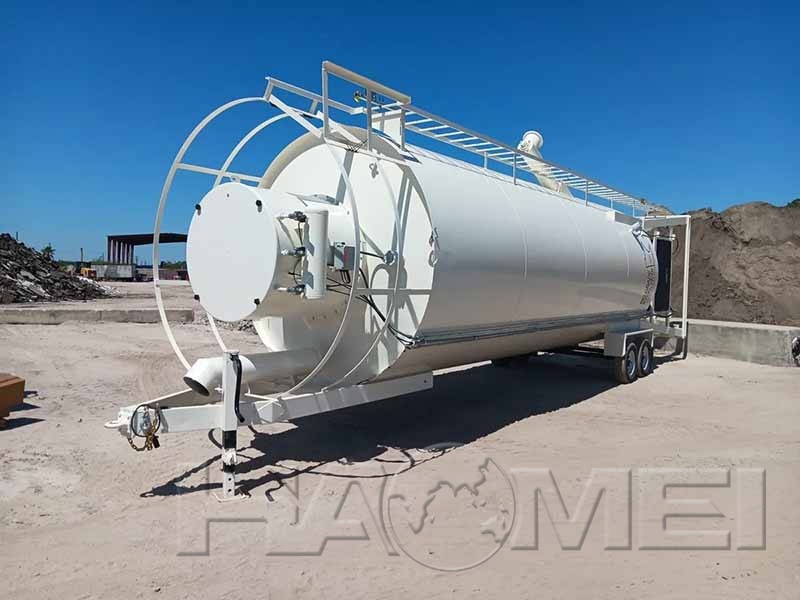
A vertical unit is widely used where site space is limited. Its cylindrical body stores material efficiently, while the conical hopper concentrates cement toward the outlet. The hopper angle must be suitable for cement flow, since poor geometry can increase bridging, rat-holing, and residual material buildup. In practice, flow performance also depends on cement fineness, moisture exposure, storage time, and the effectiveness of the aeration system.
The main design elements should include a roof with a filling inlet, pressure-relief protection, a dust filter, level indicators, a manhole, ladder, safety cage, and maintenance platform. A pneumatic filling line transfers cement from the bulk tanker into the vessel. During this process, displaced air must pass through a correctly sized filter. If the filter is blocked or undersized, internal pressure can rise and create dust leakage or safety risks.
The discharge section commonly includes a manual or pneumatic butterfly valve, a flexible connection, and a screw conveyor. For automated batching, load cells and control signals can monitor inventory and support accurate material dosing. A properly selected Cement Silo can be integrated with weighing hoppers, bulk cement feeders, and batching controls without unnecessary transfer points.
| Component | Main Function | Selection Consideration |
|---|---|---|
| Silo body | Stores bulk cement in a sealed chamber | Choose capacity based on daily consumption and delivery schedule |
| Conical hopper | Directs material to the discharge outlet | Use an appropriate cone angle and smooth internal surface |
| Dust collector | Filters air during pneumatic filling | Match filter area to tanker filling rate |
| Pressure relief valve | Protects against excessive internal pressure | Install correctly and inspect regularly |
| Aeration system | Improves cement movement near the hopper | Use clean, dry, regulated compressed air |
| Level indicators | Prevent overfilling and low-stock interruptions | Fit high-level and low-level devices where needed |
| Screw conveyor | Transfers cement to weighing or mixing equipment | Match capacity to the required production rate |
The shell is generally fabricated from carbon steel plate, chosen for its strength, weldability, and cost effectiveness. Plate thickness should be determined by the vessel diameter, height, stored material load, wind load, seismic requirements where applicable, and local structural standards. External stiffeners improve shell rigidity and reduce deformation risk during transportation, installation, and service.
For outdoor installations, surface preparation and corrosion protection deserve close attention. A quality coating system helps protect steel from rain, humidity, and industrial environments. Galvanized bolts and weather-resistant seals are especially useful on sectional structures. A Bolted Cement Silo for Sale is often practical for projects with difficult transport access, because panels can be shipped in containers and assembled at the job site.
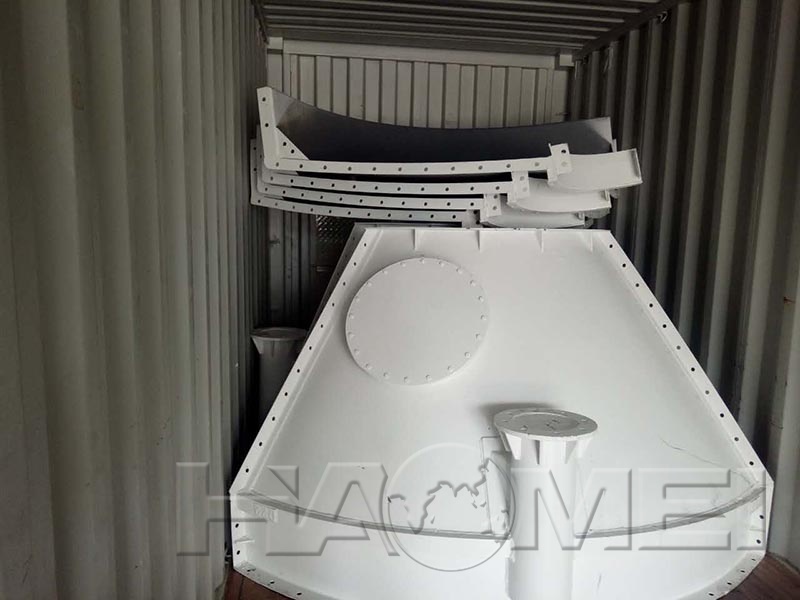
Compared with bagged cement handling, bulk storage can reduce manual lifting, torn-bag losses, and uncontrolled dust. It also allows a batching plant to maintain a steadier material supply. When fitted with level monitoring, the operator can schedule replenishment before stock runs too low, reducing interruptions to concrete production.
Important operating advantages include:
Higher storage capacity within a relatively small ground footprint.
Better material protection when the vessel, filter, and access covers are properly sealed.
Controlled discharge to screw conveyors, weigh hoppers, or bulk feeding equipment.
Reduced manual handling compared with bagged material use.
Easier inventory management through load cells or level sensors.
Flexible capacity options, from compact site units to large central-batching installations.
Capacity selection should be based on actual consumption rather than choosing the largest available model. Consider cement usage per cubic meter of concrete, planned daily output, delivery frequency, available site space, foundation design, and the number of cement types required. Separate vessels may be needed for ordinary Portland cement, slag cement, fly ash, or other powder materials to prevent cross-contamination.
A well-built storage system still needs routine inspection. Most issues are caused by moisture, inadequate air filtration, blocked conveying equipment, sensor errors, or neglected maintenance.
| Problem | Likely Cause | Practical Corrective Action |
|---|---|---|
| Cement does not discharge smoothly | Bridging, hardened material, insufficient aeration, blocked outlet | Check aeration pads, inspect hopper outlet, remove hardened buildup safely, and verify dry air supply |
| Dust escapes during tanker filling | Dirty filter cartridges, damaged seals, excessive filling pressure | Clean or replace filter elements, inspect gaskets, and confirm the pressure-relief device operates freely |
| Silo appears overfilled | High-level sensor fault, incorrect wiring, ignored alarm | Test the sensor before filling, inspect control wiring, and stop filling when the alarm activates |
| Screw conveyor has low output | Worn flighting, cement buildup, motor or gearbox issue | Inspect the conveyor, clear deposits, check rotation direction, and service worn components |
| Cement becomes lumpy | Water ingress through roof, hatch, filter, or pipe connection | Locate and seal the leak, replace damaged covers, and avoid storing cement for excessive periods in humid conditions |
| Unstable weighing readings | Load cell obstruction, loose mounting hardware, damaged cable | Ensure the vessel is not touching external steelwork, inspect mounts, and calibrate the weighing system |
Before entering any vessel for cleaning or inspection, isolate all energy sources, prevent material inflow, follow confined-space procedures, test the atmosphere, and use trained personnel. Cement dust can irritate the eyes, skin, and respiratory system, so suitable personal protective equipment and dust control are necessary during maintenance.
Daily checks should cover dust-filter condition, air pressure, visible leakage, valve operation, and level alarms. At scheduled intervals, inspect structural bolts, weld areas, ladders, platforms, pressure-relief equipment, and screw conveyor drives. This routine attention helps keep cement flowing consistently and protects the production line from avoidable downtime.
Original source: https://www.concretebatchplanthm.com/a/cement-storage-silo.html
Tags: Cement Storage Silo Bolted Cement Silo
Prev: 120 Yard Portable Concrete Batching Plant
Next: What Is the Price of a Concrete Batching Plant in 2026