CONTACT
1
Want to get quotation of concrete batching plant at once? Contact Us. Quick reply is as efficient as our equipment.
+86-15978414719

Apr 15, 2026
A concrete mixing pump combines batching, mixing, and pumping in one compact machine. For construction equipment purchasers, this integrated design is attractive because it reduces equipment transfers, saves labor, and improves concrete delivery efficiency on small and medium projects. It is widely used for rural housing, floor slabs, foundations, tunnels, drainage channels, and slope protection.
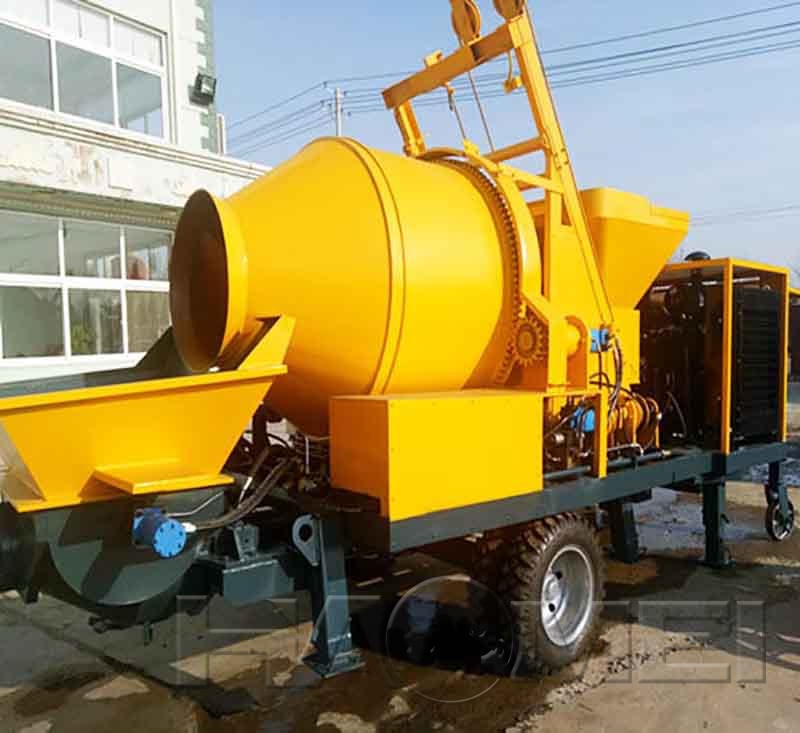
Modern units are designed around one goal: stable concrete output with less downtime. The machine usually includes a feeding hopper, twin-shaft or drum-style mixing system, hydraulic pumping unit, S-valve or distribution valve, delivery cylinders, electrical control system, and chassis for towing or moving around the jobsite.
One important design feature is the integrated structure. Traditional work often requires a separate mixer and a separate pump. With this machine, mixed material moves directly into the pumping system, which shortens transfer distance and lowers segregation risk. This is especially useful where space is limited.
Another critical detail is the hydraulic system. Reliable models use high-quality hydraulic components to keep pressure stable, reduce heat buildup, and maintain smooth reversing action. A well-matched hydraulic circuit helps the pumping cylinders work evenly, which improves output consistency and reduces wear on seals and valves.
The hopper and screen design also affect daily performance. A practical hopper should allow easy feeding and include a grate to block oversized aggregate or debris. This simple detail protects the mixing blades, valve body, and delivery pipeline from blockage and impact damage.
Wear-resistant pipeline layout is equally important. Short, smooth pipe routing with fewer sharp bends reduces pumping resistance. For users comparing options, a machine such as the JBS40-10-82R Concrete Mixing Pump is often considered for projects that need compact size and integrated operation.
The quality of materials used in manufacturing has a direct influence on durability, maintenance cost, and pumping stability. Construction conditions are harsh, so the structure must resist abrasion, pressure, and repeated impact.
High-strength steel is commonly used for the chassis, hopper, and main frame. Its advantage is better rigidity under load and less deformation during transport or continuous operation. For pumping parts, wear-resistant alloy materials are preferred in the S-valve, spectacle plate, cutting ring, mixing blades, and concrete cylinders. These are high-friction areas, so better material means longer replacement intervals.
Delivery pipes should also be made from abrasion-resistant steel. When pumping aggregate concrete over long distances, ordinary pipes can wear quickly at bends and joints. Upgraded pipe material improves safety and lowers the risk of burst failures.
Rubber seals and hydraulic hoses deserve attention as well. Good sealing materials improve pressure holding performance and reduce oil leakage. For electrical parts, dust-proof and moisture-resistant design helps maintain reliability in outdoor conditions.
The table below shows how key materials influence performance.
| Component | Preferred Material or Feature | Practical Advantage |
|---|---|---|
| Main frame | High-strength structural steel | Better stability, less deformation |
| Mixing blades | Wear-resistant alloy steel | Longer service life in abrasive concrete |
| S-valve and cutting ring | High-hardness alloy material | Improved pumping reliability and lower wear |
| Delivery pipe | Abrasion-resistant steel pipe | Reduced pipe wear and safer delivery |
| Hydraulic seals | High-quality rubber or composite seals | Lower leakage risk and steadier pressure |
| Electrical enclosure | Dust-proof, moisture-resistant design | Better reliability on outdoor jobsites |
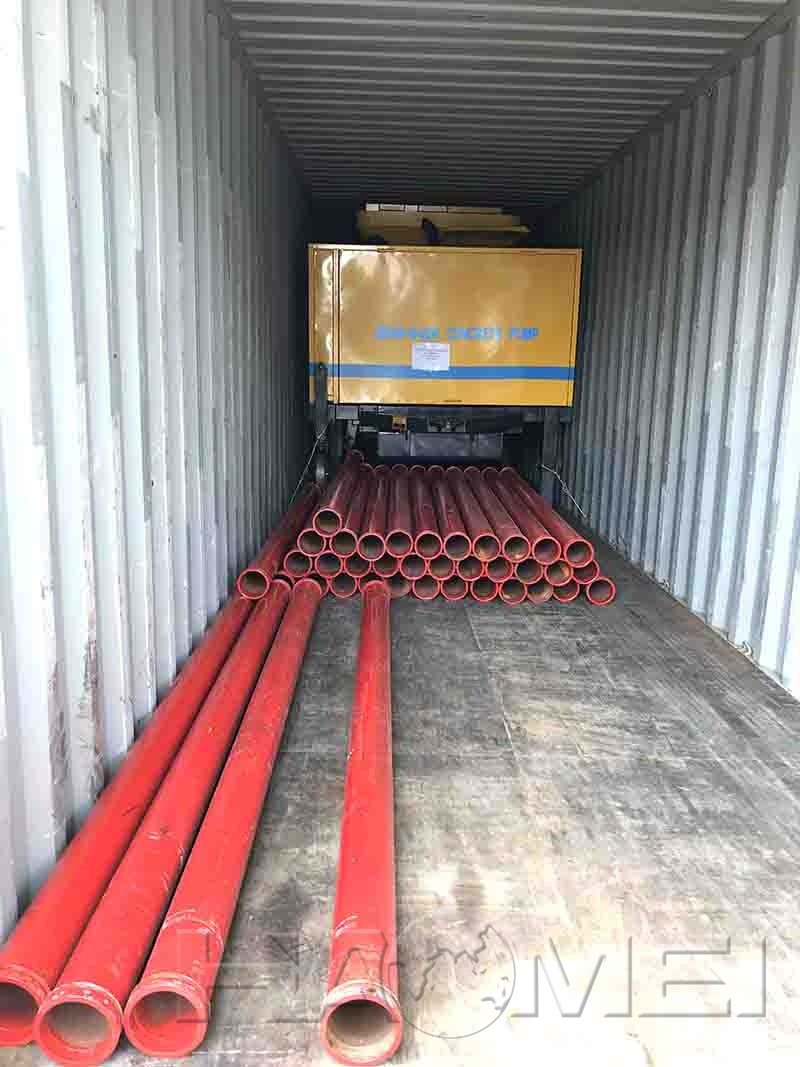
For equipment purchasers, the biggest advantage is operational efficiency. One machine replaces two major pieces of equipment, so setup is faster and the crew size can be smaller. This lowers labor input and simplifies coordination on site. Fuel or power consumption can also be more economical than running a separate mixer plus pump system.
Mobility is another benefit. Many models are compact and easy to position near the pouring area. This is helpful in village roads, narrow foundations, and indoor or semi-enclosed work zones. If the project requires a standalone pumping solution for larger output or longer pipeline delivery, a Trailer Concrete Pump may be compared alongside integrated mixing-and-pumping equipment.
Concrete quality control also improves when mixing and pumping are coordinated by one machine. The operator can manage feeding rhythm, mixing time, and discharge speed more precisely. That reduces waiting time and helps maintain continuous pouring.
Still, performance depends on proper operation and maintenance. The most common issues are pipe blockage, weak pumping, abnormal hydraulic temperature, and uneven mixing.
The troubleshooting table below covers practical checks.
| Problem | Possible Cause | Solution |
|---|---|---|
| Pipe blockage | Slump too low, oversized aggregate, long shutdown without cleaning | Adjust mix ratio, screen aggregates, clean pipes immediately after work |
| Weak pumping pressure | Worn piston seals, air leakage, valve wear, hydraulic pressure loss | Inspect seals, check connections, examine valve parts, test hydraulic system |
| High hydraulic oil temperature | Dirty radiator, overloaded operation, poor oil quality | Clean cooling area, reduce overload, replace hydraulic oil if needed |
| Uneven mixing | Worn blades, incorrect feeding sequence, overloaded mixer | Replace blades, feed in proper order, keep batch size within rating |
| Slow discharge | Material bridging in hopper, poor mix consistency | Break up bridged material, improve water-cement balance |
| Excessive vibration or noise | Loose fasteners, bearing wear, misalignment | Tighten bolts, inspect bearings, correct alignment |
A few maintenance habits greatly reduce failure risk. First, clean the hopper, mixing chamber, and pipelines after every shift. Hardened concrete is one of the main causes of wear and blockage. Second, lubricate moving points on schedule and check hydraulic oil level daily. Third, inspect vulnerable parts such as blades, piston cups, cutting ring, and delivery elbows before they fail completely. Fourth, use concrete that matches the rated aggregate size and slump range recommended by the manufacturer.
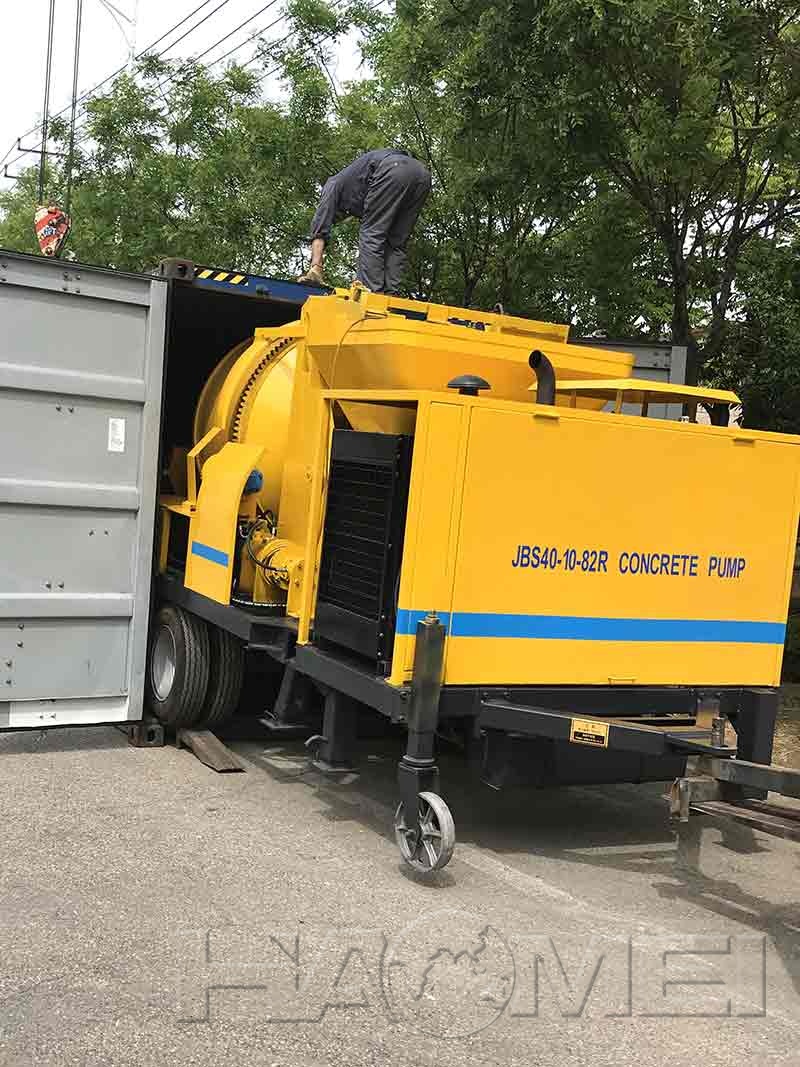
When choosing a model, pay attention to output, pumping distance, aggregate size allowance, motor or diesel power, and maintenance accessibility. Easy access to wear parts and filters can shorten service time significantly. A machine with sound structural design, wear-resistant materials, and a service-friendly layout will usually deliver better long-term value than a lower-priced option with limited durability.
For contractors handling frequent slab, column, foundation, and rural building work, this integrated equipment offers a practical balance of mobility, efficiency, and controlled concrete delivery. The real value is not only in pumping performance, but in how design details and material selection keep the machine productive under daily jobsite conditions.
Original source: https://www.concretebatchplanthm.com/a/concrete-mixing-pump.html
Tags: concrete mixing pump concrete mixer with pump
Prev: 36 Meter Concrete Pump
Next: What Are The Essential Spare Parts for Asphalt Plant Maintenance?