CONTACT
1
Want to get quotation of concrete batching plant at once? Contact Us. Quick reply is as efficient as our equipment.
+86-15978414719

Jun 02, 2026
A 32 meter concrete pump sits in the practical middle of the truck-mounted boom pump market. It is large enough for house foundations, commercial slabs, bridge decks, podiums, and low to mid-rise structures, yet compact enough for city streets and tighter sites where 45 m or 52 m units struggle with access.
For equipment purchasers, the decision is not only reach. The right machine must match pour volume, road limits, operator capability, service support, and expected utilization. A wrong match can create idle capital, unsafe setup conditions, or expensive subcontracting gaps.
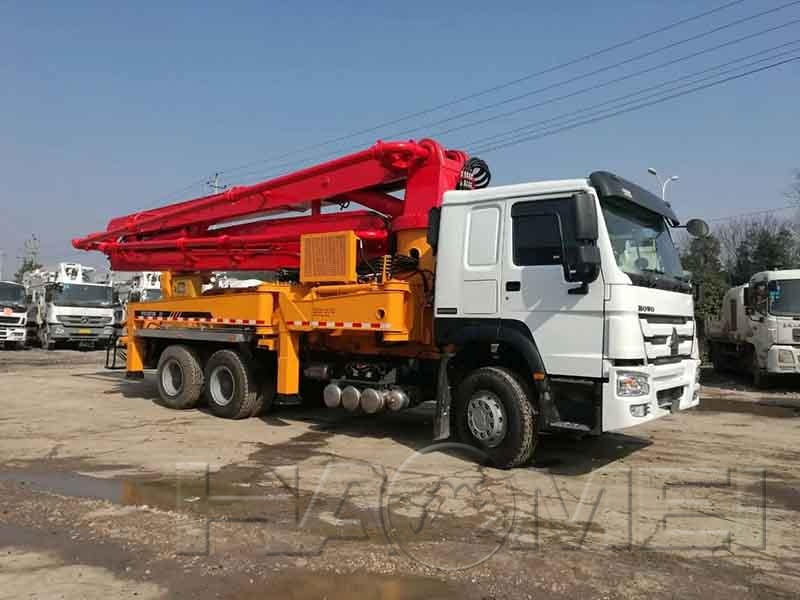
Start with the work pattern, not the boom length. A 32 m class unit usually suits contractors that pour smaller commercial jobs frequently, serve residential developments, or need a flexible fleet machine for mixed work.
Check these points before requesting quotations:
| Job condition | 32 m boom pump fit | When to choose another size |
|---|---|---|
| Urban slabs and footings | Strong fit | Smaller line pump if access is extremely narrow |
| Two to five story structures | Strong fit | Longer boom if the pump cannot stand close to the structure |
| Bridge deck pours | Good fit | 37 m to 45 m if lane closure width allows greater stand-off |
| High-rise cores | Limited fit | Larger boom, placing boom, or stationary pump system |
| Residential foundations | Good fit | Trailer pump if volume is low and cost sensitivity is high |
If your tender pipeline includes larger commercial slabs, compare this size with a 37 Meters Concrete Pump Truck For Sale. The extra reach can reduce repositioning, but it may add weight, cost, and outrigger space.
Public equipment listings and auction results vary widely by region, chassis brand, pump hours, boom inspection history, emissions tier, and mixer market cycles. As a practical planning range in 2024-2025, used truck-mounted boom pumps in the 30 m to 36 m class often appear from about USD 120,000 to over USD 350,000, while new machines commonly require a substantially higher capital budget. Treat these as screening ranges only; verify with current dealer quotes, inspection reports, and local taxes.
A low purchase price can become expensive if the boom has fatigue repairs, thin delivery pipe, undocumented inspections, or obsolete electronics. For imported units, include customs duty, homologation, transport, language conversion for manuals, and parts stocking.
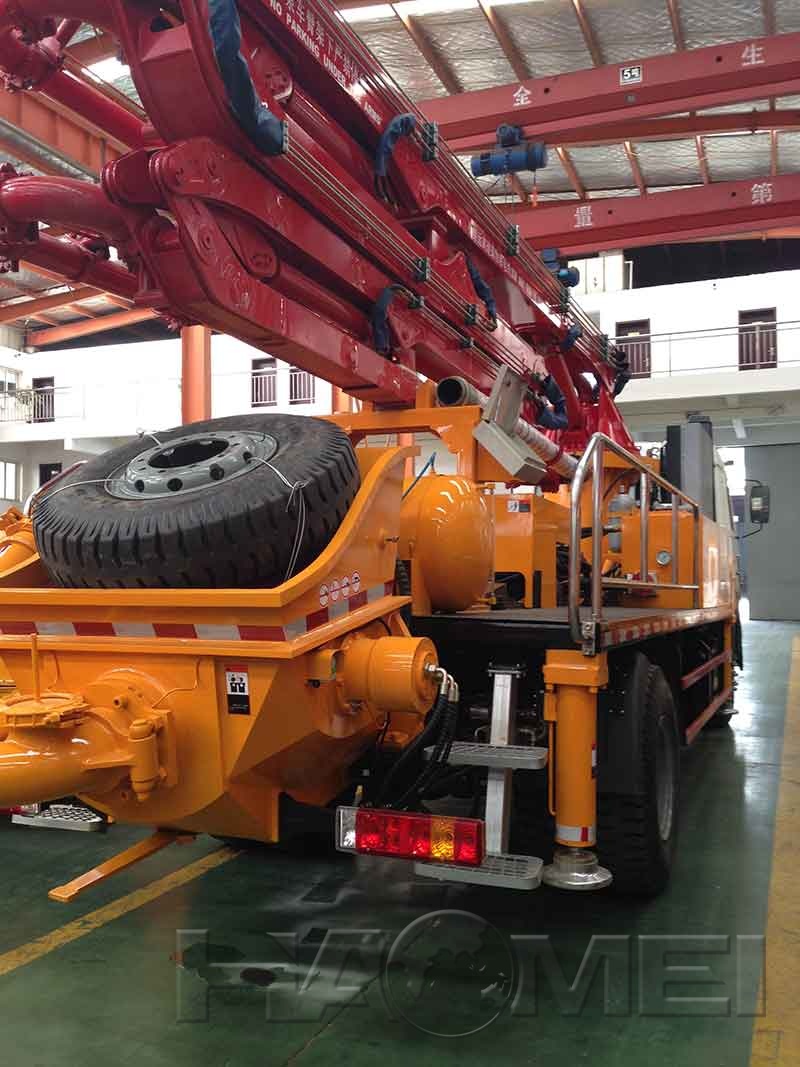
Use this comparison during procurement meetings:
| Item to compare | 32 m class | 37 m class | 45 m class |
|---|---|---|---|
| Typical site access | Best in tight urban work | Moderate | Requires wider setup area |
| Reach advantage | Baseline | Moderate increase | Major increase |
| Acquisition cost | Lower | Medium | Higher |
| Fuel and tire cost | Lower to medium | Medium | Higher |
| Operator learning curve | Moderate | Moderate | Higher due to setup planning |
| Best use case | Frequent mixed pours | Larger slabs and small infrastructure | Commercial frames and wider stand-off work |
For fleets moving into larger commercial projects, a 45 Meter Concrete Boom Truck may be justified when the machine can work enough days per month to offset higher finance, maintenance, and transport costs.
A disciplined ownership calculation should include:
Before purchase, require these documents:
Concrete pumping is a high-energy activity. The main hazards are boom contact with power lines, tip-over from poor setup, hose whipping, pipeline blockage, and crushing during outrigger deployment.
In the United States, relevant references include OSHA 29 CFR 1926 Subpart Q for concrete and masonry construction, OSHA 29 CFR 1926.702 for concrete construction requirements, and OSHA electrical clearance rules under 29 CFR 1926 Subpart K. ASME B30.27 is the recognized standard for material placement systems, including concrete pumps. In Europe, EN 12001 covers conveying, spraying, and placing machines for concrete and mortar. In Canada, CSA Z151 is widely used for concrete pumps and placing booms. Always confirm the regulation that applies in the jurisdiction where the equipment will operate.
Use this setup checklist on every pour:
Digitalization is changing how pump fleets are managed. Telematics can record engine hours, pump hours, fuel use, fault codes, location, and maintenance intervals. Some OEM systems also support remote diagnostics and utilization reports. These tools help owners price jobs more accurately because pump hours and standby time are visible rather than guessed.
Current industry trends to watch:
| Trend | Practical impact for purchasers |
|---|---|
| Tighter emissions standards | Chassis selection must match local diesel rules and resale markets |
| Higher labor cost | Remote controls, easier setup, and diagnostics reduce wasted labor time |
| Data-based maintenance | Pump hour tracking improves wear part replacement planning |
| Urban access restrictions | Compact 30 m to 36 m pumps remain attractive for city work |
| Safety documentation demand | Inspection records increasingly influence project approval and resale |
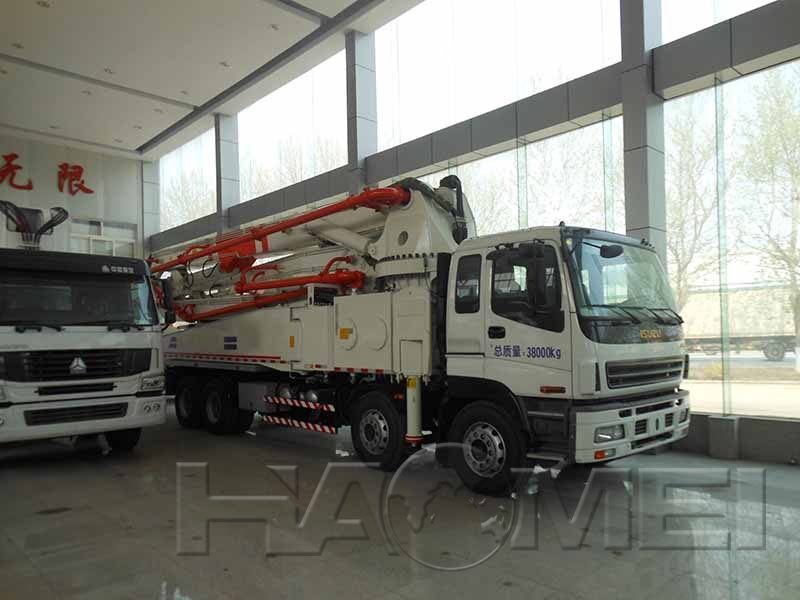
When comparing quotations, ask the supplier to demonstrate boom deployment, short-rigging limits, hopper access, emergency stop functions, agitator controls, remote control response, and washout procedure. A machine that looks similar on a specification sheet can perform very differently once it is parked between traffic, rebar, scaffolding, and live crews.
A final procurement scorecard should rank each candidate by reach, outrigger footprint, verified condition, dealer support, compliance documentation, total ownership cost, and resale confidence. Give the highest weight to the factors that affect daily uptime and safe placement, not the longest boom or the lowest advertised price.
Original source: https://www.concretebatchplanthm.com/a/32-meter-concrete-pump.html
Tags: 32 meter concrete pump concrete boom pump pump truck cost boom pump selection
Prev: Cost Savings vs. Ready-Mix Delivery
Next: How Many Yards Per Hour Can A Portable Concrete Plant Produce