CONTACT
1
Want to get quotation of concrete batching plant at once? Contact Us. Quick reply is as efficient as our equipment.
+86-15978414719

Jun 16, 2026
For contractors working on roads, housing projects, drainage channels, farms, and small commercial buildings in Ghana, a self loading concrete mixer can reduce dependence on separate loaders, batching plants, and transit trucks. The machine combines loading, weighing, mixing, transporting, and discharging in one mobile unit, which is especially useful where project sites are spread out or access roads are not ideal.
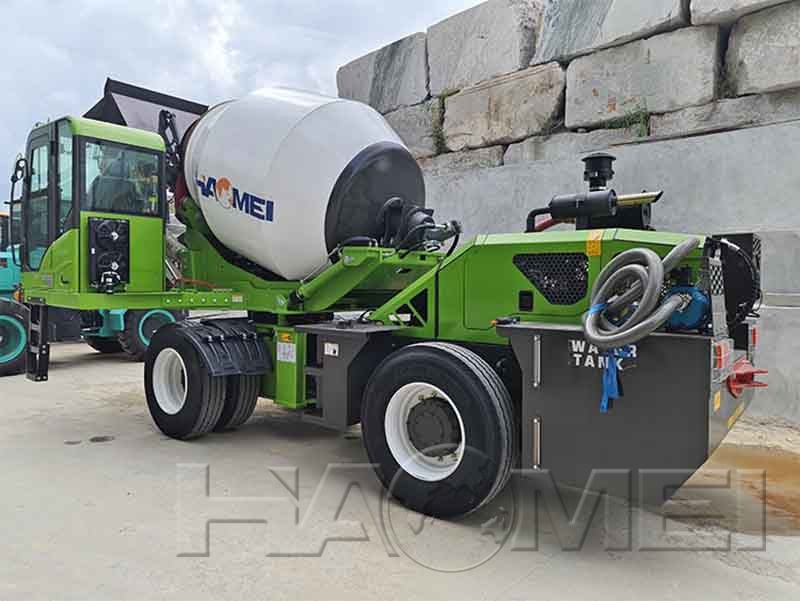
A modern self loading mixer is built around a simple idea: one operator can complete the full concrete production cycle from raw material loading to final discharge. The front loading bucket collects sand, aggregate, and cement, then feeds them into the mixing drum. Water is added through an onboard system, and the rotating drum mixes materials while the machine moves around the site.
The most practical designs for Ghana usually include four-wheel drive, articulated steering, a high-position cab, and a 270-degree or 360-degree rotating drum discharge system, depending on model configuration. Four-wheel drive helps the machine travel on laterite roads, uneven village tracks, and muddy construction areas during the rainy season. Articulated steering improves turning ability in tight spaces, such as residential foundations or narrow roadside work zones.
The cab layout is also important. A clear instrument panel, wide visibility, reverse alarm, and simple joystick or hydraulic controls help operators work safely. Some machines are equipped with electronic weighing systems. These systems help control the ratio of cement, water, sand, and stone, improving batch consistency. For structural concrete, the final mix design should still follow project specifications and local engineering requirements.
For users comparing a self loading mixer with a traditional Concrete Mixer Truck, the main difference is independence. A mixer truck mainly transports ready-mixed concrete, while a self loading unit can prepare concrete directly at the site when raw materials are available.
| Design Part | Practical Function | Value on Site |
|---|---|---|
| Loading bucket | Loads aggregate, sand, and cement | Reduces need for a wheel loader |
| Mixing drum | Mixes and transports concrete | Keeps production mobile |
| Hydraulic system | Drives loading, steering, and discharge | Smooth operation with less manual labor |
| Water tank and pump | Controls water supply | Supports repeatable batching |
| Four-wheel drive | Improves traction | Useful on rough or wet ground |
| Rotating discharge | Places concrete in different directions | Saves turning time in tight areas |
The service life of a self loading mixer depends heavily on the materials used in its main structure. A strong chassis, wear-resistant drum, reliable hydraulic parts, and protected electrical components are not decorative features; they directly affect uptime and repair cost.
High-strength steel is commonly used for the frame because the machine carries raw materials, concrete, and dynamic loads while moving. A reinforced chassis can better resist twisting on uneven ground. The mixing drum should use steel with good wear resistance, as sand and aggregate constantly rub against the inner wall and blades. Well-shaped spiral blades improve mixing action and support faster discharge.
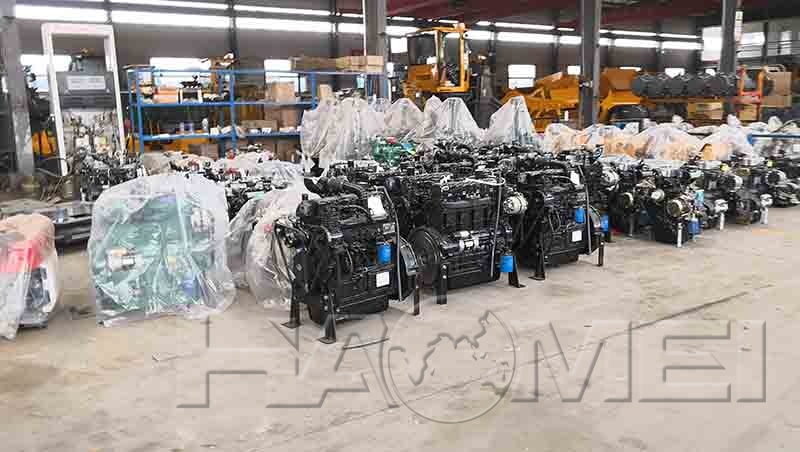
Hydraulic hoses and seals should be selected for pressure resistance and heat tolerance. In hot working conditions, poor-quality seals can harden or leak. Electrical connectors should be protected against dust and moisture because construction sites expose the machine to cement powder, rain, and vibration.
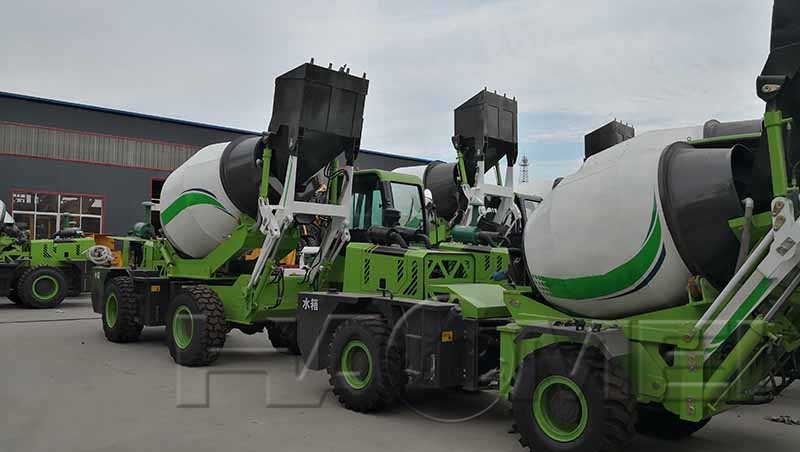
The advantage of using this equipment is not only labor saving. It can also improve scheduling. Instead of waiting for ready-mix delivery, the contractor can produce concrete according to the site pace. This is helpful for remote projects, scattered foundations, repair work, culverts, and rural road sections.
Another advantage is reduced equipment matching. A small team can complete material loading, mixing, short-distance transport, and discharge with one machine. Fuel use varies by model, load, road condition, and operator habits, but combining several functions into one unit can reduce idle time and machine coordination problems.
| Selected Material or System | Advantage | Maintenance Note |
|---|---|---|
| Reinforced steel chassis | Better load-bearing ability | Inspect welds and bolts regularly |
| Wear-resistant drum steel | Longer mixing drum life | Wash the drum after each shift |
| Quality hydraulic seals | Lower leakage risk | Replace damaged seals early |
| Protected electrical wiring | Better reliability in dust and rain | Keep connectors dry and tight |
| Heavy-duty tires | Improved site mobility | Check pressure and tread wear |
If the project needs a compact, integrated unit for independent batching, a Self Loading Mixer Truck is often more flexible than arranging multiple machines for small and medium pours.
Even a well-built mixer needs proper operation. Many failures come from poor cleaning, wrong lubrication, overloading, or delayed inspection. Operators should follow the manufacturer manual, use recommended oils and filters, and record service hours.
One common issue is slow drum rotation. Possible causes include low hydraulic oil, blocked filters, worn hydraulic pump parts, or incorrect engine speed. The first step is to check the oil level and look for leakage. If oil is dark, contaminated, or foamy, replace it according to the service schedule and inspect the suction line. If the problem remains, a qualified technician should test hydraulic pressure.
Another frequent problem is weak loading bucket movement. This may be caused by air in the hydraulic system, cylinder seal wear, loose joints, or insufficient hydraulic pressure. Do not continue forcing the bucket under heavy load. Stop the machine on level ground, release pressure safely, and inspect hoses, cylinders, and pins.
Concrete sticking inside the drum is also common. This usually happens when the drum is not washed in time or when the mixture has too little water for the required workability. After each discharge, add clean water and rotate the drum to rinse the inside. Hardened concrete should not be removed by striking critical parts violently, as this may damage blades, bearings, or the drum shell.
| Symptom | Likely Cause | Recommended Action |
|---|---|---|
| Drum rotates slowly | Low oil, clogged filter, hydraulic wear | Check oil, replace filter, test pressure |
| Bucket lifts weakly | Seal wear, air in system, overload | Inspect cylinders and hoses, avoid overloading |
| Engine overheats | Dirty radiator, low coolant, heavy load | Clean radiator, check coolant, reduce overload |
| Uneven concrete mix | Wrong material ratio or short mixing time | Recheck batching and extend mixing cycle |
| Abnormal vibration | Loose bolts, worn bearing, tire issue | Tighten fasteners and inspect rotating parts |
| Electrical fault | Loose connector, water entry, fuse damage | Dry connectors, check fuse and wiring |
Before starting work each day, inspect engine oil, coolant, hydraulic oil, tire pressure, brake function, lights, horn, and drum condition. Grease pivot points as required. During operation, avoid exceeding rated loading capacity, because overload increases stress on the axle, frame, tires, and hydraulic system.
For Ghana projects, spare parts planning is also important. Filters, hydraulic hoses, seals, brake parts, drum rollers, and electrical sensors should be available through a reliable supply channel. Operator training should cover safe loading, correct drum speed, basic fault recognition, and daily cleaning. A machine with strong design and proper maintenance can support steady concrete production across urban, rural, and remote construction sites.
Original source: https://www.concretebatchplanthm.com/a/self-loading-concrete-mixer-for-sale-in-ghana.html
Tags: Self loading concrete mixer Ghana construction equipment
Prev: Countercurrent Concrete Mixer VS Planetary Concrete Mixer