CONTACT
1
Want to get quotation of concrete batching plant at once? Contact Us. Quick reply is as efficient as our equipment.
+86-15978414719

Apr 21, 2026
Choosing among cement silo manufacturers is not only about tank size or price. For construction equipment buyers, the real issue is matching storage equipment to batching demand, transport limits, site layout, dust-control rules, and long-term maintenance cost. A silo that is cheap to purchase can become expensive if it slows unloading, leaks powder, or fails local inspection requirements.
Start with the operating requirement, not the catalog.
Use this checklist before asking for quotations.
A common mistake is selecting only by nominal capacity. Cement bulk density varies by product and aeration condition, so actual stored mass can differ from brochure figures. Manufacturers usually rate capacity in tons, but geometry is built in cubic meters. Ask for both values.
| Project need | Common silo size | Notes |
|---|---|---|
| Small block plant, low-volume site | 30 t to 50 t | Easier transport, faster installation |
| Medium batching plant | 60 t to 100 t | Common for commercial concrete operations |
| Large stationary plant | 150 t to 300 t+ | Better for bulk deliveries and inventory stability |
| Frequent relocation | Horizontal or modular type | Lower civil work and faster setup |
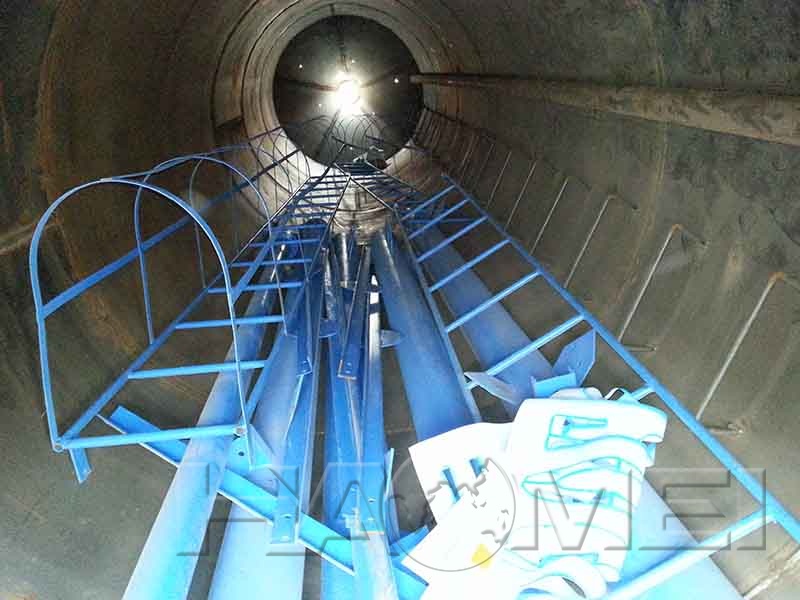
For projects needing simple installation and small footprint, a Vertical Cement Silo for Sale may fit better than a horizontal layout, especially when vertical clearance is available.
Shortlist suppliers using comparable technical data. If one quotation excludes standard components and another includes them, the lower offer is not really lower.
Ask each supplier to state these items clearly.
| Item | Why it matters | What to request |
|---|---|---|
| Steel plate thickness | Affects rigidity and service life | Shell, cone, and leg thickness by section |
| Dust collector | Needed for tanker filling emissions | Filter area, pulse cleaning type, replacement interval |
| Safety valve | Prevents overpressure or vacuum damage | Set pressure range and certification |
| Level indicators | Prevents overfill and stock errors | High/low level sensors, continuous level option |
| Discharge system | Controls flow consistency | Screw conveyor model, arch breaker, fluidization pads |
| Surface treatment | Important for corrosion resistance | Blast grade, primer, topcoat system |
| Assembly method | Impacts freight and installation | Welded, bolted, or split shipping design |
| Electrical controls | Affects integration and troubleshooting | Voltage, control cabinet, sensor brand |
Buyers often compare welded and bolted structures. Welded units can be economical for domestic transport and standard sizes. Bolted units are often preferred for export, remote projects, or oversized capacities because shipping volume is lower and on-site assembly is easier to manage.
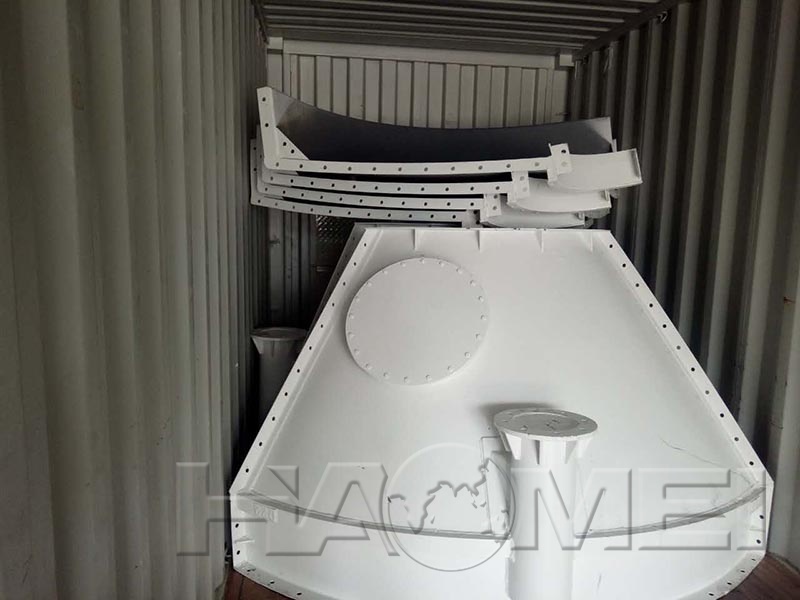
If your project involves cross-border transport or limited road access, a Bolted Cement Silo for Sale can reduce logistics cost and simplify container loading.
Exact pricing changes by steel cost, filters, screw conveyor length, automation level, and freight. Because these variables move often, it is safer to compare cost structure than to rely on generic web prices.
| Cost component | Usually included? | Cost impact |
|---|---|---|
| Silo body | Yes | Main base cost |
| Dust filter and pressure relief valve | Sometimes | Medium |
| Screw conveyor | Often optional | Medium to high |
| Arch breaker or aeration system | Optional | Medium |
| Level sensors | Optional on low-cost quotes | Low to medium |
| Foundation and civil work | Usually excluded | High on some sites |
| Installation and commissioning | Often excluded | Medium to high |
| Freight and customs | Excluded | Highly variable |
When reviewing total investment, ask for delivered cost, installed cost, and first-year operating cost. This reveals whether a low equipment quote is offset by expensive erection, replacement filters, or downtime risk.
Requirements vary by country and project, so verify local rules with the relevant authority or project engineer. Still, these points are widely relevant:
In the United States, OSHA rules for walking-working surfaces and fall protection are relevant where operators access ladders and platforms. Structural loading should be checked against the governing building code adopted in the project location. For European projects, CE-related obligations may apply depending on the equipment scope and how it is supplied. Do not assume a seller's statement is enough; request the exact declaration and technical file items that apply.
Use direct questions. Vague answers usually lead to service problems later.
You should also ask for references from projects similar to yours, not just any project. A supplier experienced in export silos for batching plants may not be equally strong in mobile or low-headroom applications.
Score each candidate from 1 to 5.
| Criterion | Weight | Supplier A | Supplier B | Supplier C |
|---|---|---|---|---|
| Technical fit | 25% | |||
| Delivered price | 20% | |||
| Compliance documents | 15% | |||
| Spare parts support | 15% | |||
| Lead time | 10% | |||
| Installation support | 10% | |||
| Reference projects | 5% |
A strong supplier is usually not the one with the cheapest quote. It is the one that provides complete specifications, realistic freight planning, documented safety components, and support after startup. For anyone evaluating a cement silo solution, disciplined comparison is what protects uptime, compliance, and total return on investment.
Original source: https://www.concretebatchplanthm.com/a/cement-silo-manufacturers.html
Tags: cement silo manufacturers cement silo
Prev: What Are The Essential Spare Parts for Asphalt Plant Maintenance?