CONTACT
1
Want to get quotation of concrete batching plant at once? Contact Us. Quick reply is as efficient as our equipment.
+86-15978414719

Apr 24, 2026
In construction, concrete mixing plants, and dry mortar plants, cement silos are core equipment for storing bulk cement, fly ash, and other powdery materials. The selection of a silo directly impacts construction efficiency, material loss, and operating costs. Currently, the three most commonly used concrete silos on the market are vertical, split-type, and horizontal. The following breakdown of their characteristics and applicable scenarios helps you quickly select the right type.
They are widely used in the construction industry, these silos feature a vertical layout. The main body is a welded steel cylindrical shell, equipped with conical hoppers, support legs, a dust collection system, and anti-arch devices, ensuring strong sealing.
Advantages include small footprint, large capacity (tens to thousands of tons), high automation, remote monitoring of material levels, automatic loading and unloading, and compliance with environmental protection requirements.
Limitations include high foundation requirements, long installation period, inconvenient transportation, and relatively high height (8-15 meters), making them unsuitable for height-restricted sites.
Suitable for: Large mixing plants, cement product factories, large construction sites, and transfer warehouses. Suitable for long-term fixed locations, large capacity, and scenarios with limited space but no height restrictions.
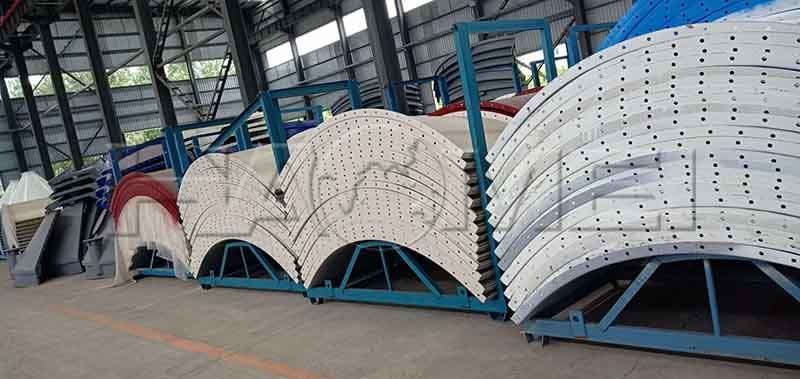
Bolted type cement silo is also known as sheet cement silos, are constructed from prefabricated steel plates. Their structure is similar to vertical silos, but their core advantages are their modularity and ease of transport, solving the transportation challenges of large silos.
They are convenient to transport, flexible to install, and have a capacity of 200-500 tons (customizable to over 1000 tons). Their sealing performance is comparable to vertical silos.
Limitations include high assembly precision requirements, the need for a professional team, ongoing maintenance of the joints, and slightly higher initial investment.
Suitable for: large-scale projects, remote areas, and overseas projects; ideal for large-capacity, inconvenient transportation, and long-term fixed installations requiring on-site assembly.
Horizontal cement silos have a horizontal cylindrical structure supported by legs at the bottom, eliminating the need for complex concrete foundations. They are compact and flexible.
Advantages include easy installation (1-2 days), low cost, reusability, and low height (2.9-6 meters), making them suitable for height-restricted sites.
Limitations include smaller capacity (50-100 tons), larger footprint, and slightly lower discharge efficiency.
Suitable for: small construction sites, temporary projects, and small mixing plants; ideal for short-term operations, frequent relocation, and small-capacity storage.
After reviewing the characteristics of the three silo types, many people still struggle to choose. However, by grasping three key points, you can quickly determine the appropriate cement silo and avoid blind selection.
1. Consider Storage Needs: For large projects and long-term fixed operations requiring large-capacity storage (over 200 tons), prioritize vertical or split-type silos. For small projects and temporary operations with storage capacities below 100 tons, prioritize horizontal silos.
2. Consider Site Conditions: For small sites with unrestricted height, choose vertical silos; for sites with limited height (e.g., indoors, corridors), choose horizontal silos; for inconvenient transportation and on-site assembly, choose split-type silos.
3. Consider Cost and Cycle: For short-term operations with limited budgets, choose horizontal silos (fast installation, low cost); for long-term operations prioritizing high efficiency and stability, choose vertical or split-type silos (although initial investment is higher, subsequent operating costs are lower and service life is longer). Finally, a reminder: regardless of the type of cement silo chosen, pay close attention to its core components—dust collection system, anti-bridging device, level gauge, and sealing performance. These directly impact material storage quality and operational safety.
Furthermore, pay attention to select reputable manufacturers like Haomei Machinery, ensure the cement silo material meet standards, and perform proper maintenance (regularly cleaning the dust collector and checking the seals and anti-bridging device) to extend its lifespan and reduce operational risks.
Original source: https://www.concretebatchplanthm.com/a/different-types-of-cement-silos-which-one-to-choose.html
Tags: vertical cement silo