CONTACT
1
Want to get quotation of concrete batching plant at once? Contact Us. Quick reply is as efficient as our equipment.
+86-15978414719

Mar 26, 2026
A cement silo is a core storage unit in concrete batching plants, dry mortar lines, and other construction material handling systems. For construction equipment purchasers, the real value of this equipment is not only storage capacity, but also sealing performance, structural strength, discharge stability, and maintenance convenience. A well-designed unit helps protect powder from moisture, reduces material waste, and supports steady plant output.
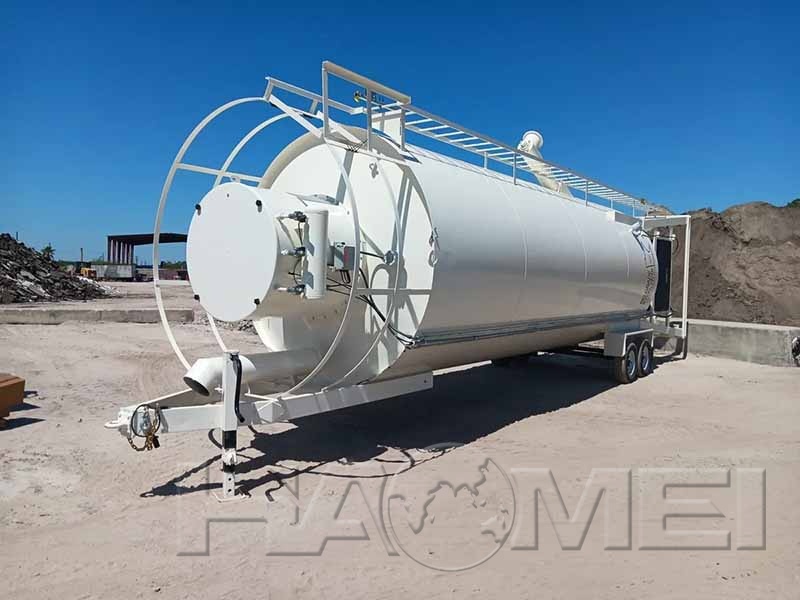
Modern storage systems are built around a simple purpose: keep powder dry, discharge it smoothly, and work safely under repeated loading and unloading cycles. Even so, the design details make a major difference in service life and operating efficiency.
The body is usually made in a cylindrical form with a conical bottom. This shape helps reduce dead zones and improves material flow toward the outlet. Depending on transport conditions and project scale, users often choose between welded models and sectional designs. For projects that require easier shipping and on-site assembly, a Bolted Cement Silo for Sale is often preferred because it can lower transport volume and simplify delivery to remote sites.
Important structural parts normally include the silo shell, support legs, top cover, dust collector, pressure relief valve, level indicator, arch breaker, discharge cone, and screw conveyor connection flange. Good engineering pays close attention to weld quality, flange flatness, stiffener arrangement, and the strength of the support frame. These details affect whether the equipment can handle wind load, material pressure, and long-term vibration.
For users working in compact plants, a Vertical Cement Silo for Sale can save ground space while still offering high storage efficiency. This layout is commonly selected for batching lines where vertical space is easier to use than horizontal space.
| Component | Design Purpose | Benefit to User |
|---|---|---|
| Cylindrical shell | Stores powder evenly | Improves structural stability |
| Conical bottom | Guides material to outlet | Reduces residue and poor discharge |
| Dust collector | Filters air during filling | Keeps site cleaner and cuts waste |
| Pressure relief valve | Balances internal pressure | Improves safety during pneumatic feeding |
| Level indicator | Monitors stored volume | Helps plan refilling in time |
| Arch breaker | Prevents powder bridging | Supports smooth unloading |
| Support legs with bracing | Carries full load safely | Enhances reliability and stability |
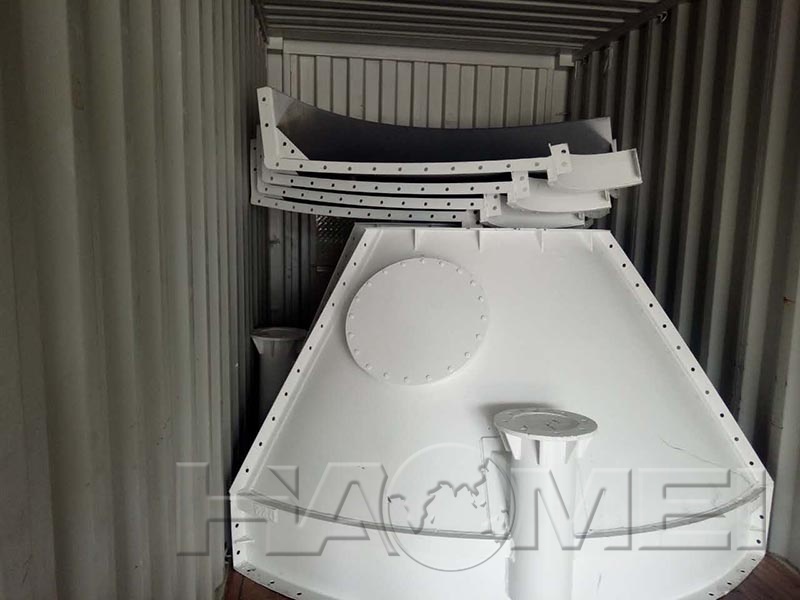
Material quality is one of the first points experienced purchasers check. The shell and cone are commonly produced from carbon steel plate with suitable thickness based on capacity and stress conditions. Reliable steel gives the body enough strength to resist deformation during filling, transport, and long-term use.
Surface treatment is also important. Sandblasting, primer coating, and anti-corrosion finishing help protect the steel from rust, especially in coastal, humid, or rainy regions. If corrosion protection is weak, the external surface can deteriorate quickly, and over time that may affect structural safety and appearance.
Wear-resistant plate may be used in high-friction zones such as the cone or discharge area. In these locations, constant powder movement can gradually thin ordinary steel. Better wear resistance extends maintenance intervals and reduces shutdowns.
Sealing materials matter as well. Gaskets at flange joints, inspection covers, and pipe connections should resist aging and maintain tight sealing under pressure changes. Good sealing reduces moisture entry, protects the stored material, and limits dust leakage during loading.
| Material or Treatment | Main Advantage | Practical Result |
|---|---|---|
| High-quality carbon steel | Strong load-bearing capacity | Longer service life |
| Wear-resistant steel in key areas | Better resistance to abrasion | Lower repair frequency |
| Anti-corrosion coating | Protects against rust | Better outdoor durability |
| Reliable rubber gaskets | Stronger sealing performance | Drier powder and less leakage |
| Reinforced structural members | Improves rigidity | Safer operation under load |
For construction equipment purchasers, the advantages of this storage solution are clear. First, it protects cement and other powder materials from rain and ambient moisture. Dry storage helps maintain material quality and reduces the risk of lump formation. Second, it supports continuous feeding to screw conveyors and batching equipment, which improves production efficiency. Third, it can reduce manual handling and create a cleaner, more organized site.
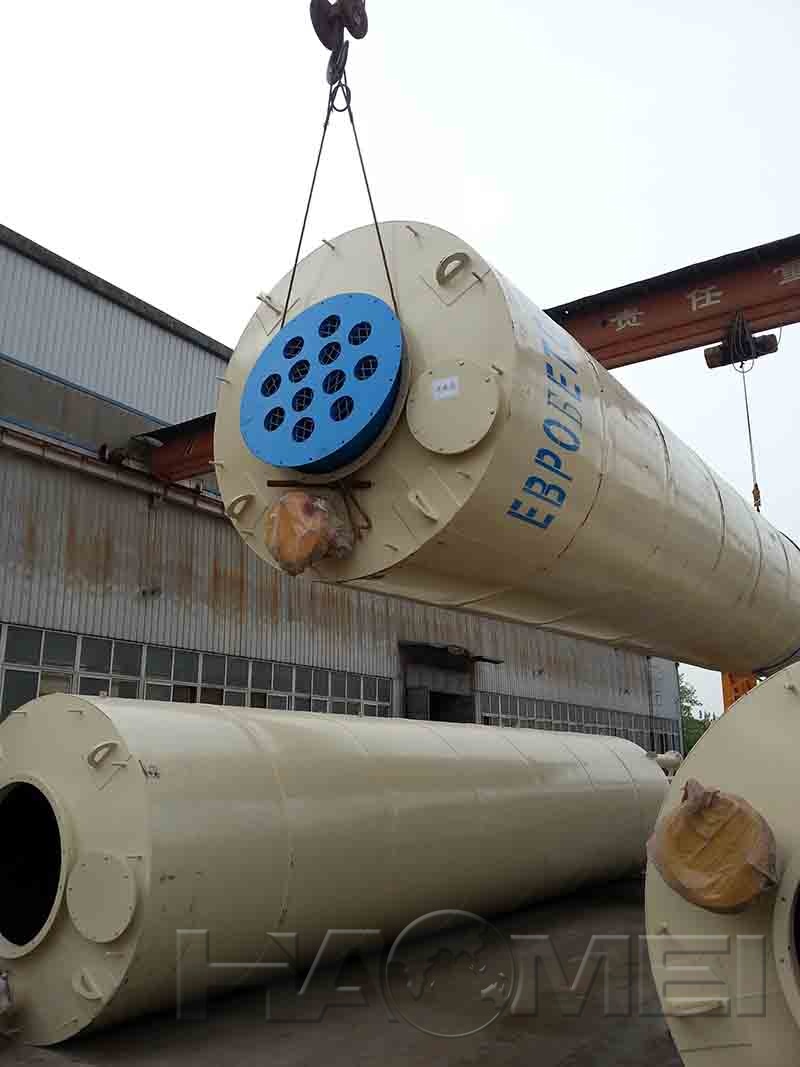
Another advantage is flexible capacity selection. Small plants may use 50 ton units, while larger concrete operations may choose 100 ton or larger options according to output demand, truck supply rhythm, and available site area.
Even high-quality equipment needs proper troubleshooting. The most common problems are poor discharge, dust leakage, inaccurate level indication, abnormal pressure, and structural vibration.
| Problem | Likely Cause | Solution |
|---|---|---|
| Material does not discharge smoothly | Arching, damp powder, blocked outlet | Check moisture source, start arch breaker, inspect cone and outlet |
| Dust escapes during filling | Damaged filter, loose seal, overloaded air flow | Clean or replace dust collector elements, inspect sealing points |
| Pressure builds up in tank | Pressure relief valve blocked or damaged | Clean valve, test function, replace if needed |
| Level indicator gives wrong reading | Sensor coated with powder or electrical fault | Clean sensor and inspect wiring |
| Silo body shakes during discharge | Loose bolts, weak foundation, conveyor vibration | Tighten fasteners, inspect foundation, check conveyor alignment |
| Cement hardens inside | Long storage time or water ingress | Improve sealing, reduce storage time, clean deposits regularly |
A practical maintenance routine can prevent many of these faults. Inspect the dust collector regularly, verify the pressure relief valve before bulk loading, and check the condition of sealing gaskets at inspection doors and pipe joints. During installation, make sure the foundation is level and strong enough for the full loaded weight. Uneven support can create extra stress in the legs and shell.
For operators, safe filling procedures are essential. Do not exceed rated capacity. Monitor pressure during pneumatic feeding. Keep the discharge system matched to the powder type and conveying rate. If the stored material tends to bridge easily, adding vibration or air-assisted flow devices may improve performance.
When selecting equipment, purchasers should look beyond capacity alone. A strong structure, proper steel thickness, reliable accessories, effective dust collection, and easy maintenance access usually bring better long-term value than a lower initial price. In real plant operation, stable discharge, tight sealing, and low downtime are what protect productivity most effectively.
Original source: https://www.concretebatchplanthm.com/a/cement-silo.html
Tags: cement silo bolted cement silo