CONTACT
1
Want to get quotation of concrete batching plant at once? Contact Us. Quick reply is as efficient as our equipment.
+86-15978414719

Mar 17, 2026
A concrete mixer machine with pump combines batching, mixing, and conveying into one coordinated system, reducing material handling and keeping fresh concrete moving to the pour point. For contractors working on foundations, slabs, floors, and small to mid rise structural work, this integrated approach helps control consistency while shortening cycle time, especially where access is tight or labor is limited.
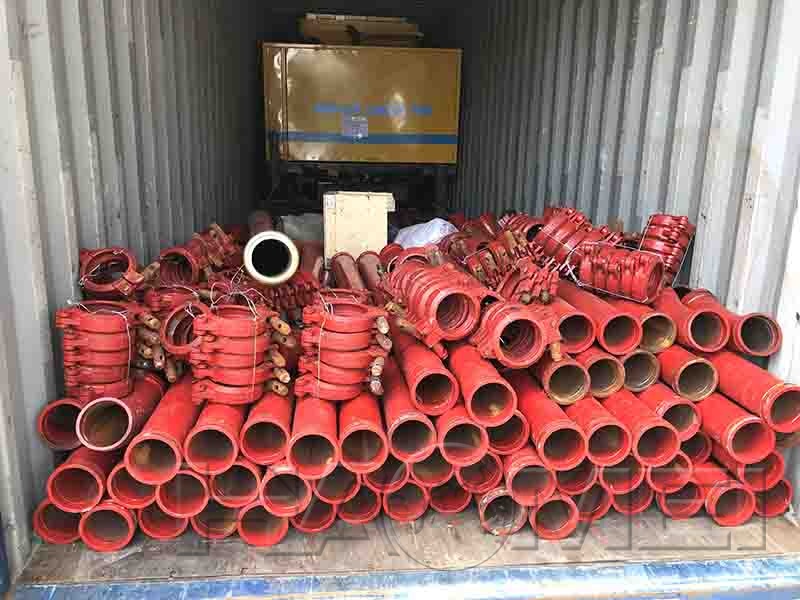
Modern mixer pump machines are built around a few core modules that must work in sync: the mixing unit, the pumping unit, the power and hydraulic system, and the control and safety package. The design details below are where real performance differences show up on site.
Mixing system layout. Most units use a forced mixing drum or pan style arrangement designed to keep aggregates circulating instead of simply tumbling. A well designed mixing chamber uses optimized blade angles and liner geometry to reduce dead zones. This matters because dead zones lead to segregation, inconsistent slump, and higher wear in localized areas.
Hopper and grizzly design. A reinforced hopper with a grizzly grid helps filter oversized stones and debris before they reach the S valve or pumping cylinders. Better hopper geometry improves feeding and reduces bridging. For harsh aggregates, wear plates in the hopper floor are essential to protect the base metal.
Pumping circuit and valve group. The pumping end typically uses a twin cylinder piston pump and an S valve or rock valve to switch flow. Precision machining and correct clearances at the valve group are critical because they determine both pumping efficiency and the risk of backflow. Good designs also prioritize easy access to wear parts such as cutting rings, wear plates, and inspection ports.
Hydraulic cooling and filtration. Continuous pumping creates heat. Units with correctly sized oil coolers and proper filtration (with clogging indicators) maintain stable pressure, protect seals, and extend the life of pumps and valves.
Controls and safety interlocks. Reliable machines include emergency stop circuits, pressure relief protection, and interlocks for guarding. Remote control options can improve placement efficiency, but they should be paired with clear fault codes and manual override capability for service work.
Material choice is not just about strength, it is about wear, corrosion, and fatigue life under repeated pressure cycles. The best value comes from specifying higher grade materials only where they deliver measurable life extension.
Wear parts using high chromium alloys. S valves, cutting rings, wear plates, and some liner components are often made from high chromium alloy castings or hardfaced steel. These resist abrasive wear from sand and crushed stone, helping the unit hold pressure and reduce the frequency of parts replacement.
Cylinder and piston component quality. Pumping cylinders and piston cups operate under high pressure and friction. Hardened cylinder surfaces and high quality sealing materials reduce internal leakage. That directly impacts pumping distance and consistency because leakage wastes energy and can cause uneven flow.
Structural steel and weld integrity. Frame, axle, and stabilizer components should use appropriate structural steel grades with controlled welding procedures. Good weld design and stress distribution reduce cracking around high vibration areas such as the mixer mount and hydraulic pump bracket.
Protective coatings and corrosion control. Powder coating or high performance industrial paint, plus galvanized or plated fasteners in exposed areas, helps machines survive storage, wash down, and wet jobsite conditions. Corrosion control improves long term serviceability because fasteners and covers remain removable when maintenance is required.
Contractors select a combined mixing and pumping solution mainly for operational efficiency. The benefits are strongest when the site has limited access, variable batch needs, or frequent small pours.
1. Less rehandling, fewer transfer points. Mixing and pumping in one system reduces loading, dumping, and wheelbarrow movement. Fewer transfer steps also lowers the risk of segregation and water addition by crews trying to improve workability.
2. More consistent concrete quality. When mixing time, water addition, and discharge are controlled at one station, it is easier to maintain a stable slump. Consistency improves finishing quality and reduces rework related to honeycombing or poor compaction.
3. Faster placement in constrained areas. A compact unit can stage close to the pour, and the delivery line can reach inside buildings or behind structures. When pumping demands increase, pairing with a dedicated Trailer Concrete Pump can be a practical way to extend distance while keeping a stable supply.
4. Lower downtime with service friendly layouts. Machines designed with open panels, accessible grease points, and modular wear parts reduce service time. This is especially valuable on small projects where a few hours of downtime can disrupt the entire schedule.
The table below summarizes what to evaluate when comparing configurations.
| Evaluation Point | What To Check | Why It Matters On Site |
|---|---|---|
| Pumping capacity | Rated output and pressure class | Determines achievable distance and speed without overloading |
| Mixer volume and blade design | Effective mixing volume, blade wear protection | Affects uniformity, cycle time, and liner life |
| Aggregate compatibility | Max stone size, grizzly spacing | Reduces blockage and valve wear |
| Hydraulics | Cooler size, filtration level, hose routing | Stabilizes pressure, improves seal life |
| Maintenance access | Wear part access, inspection windows, grease points | Reduces labor time and service errors |
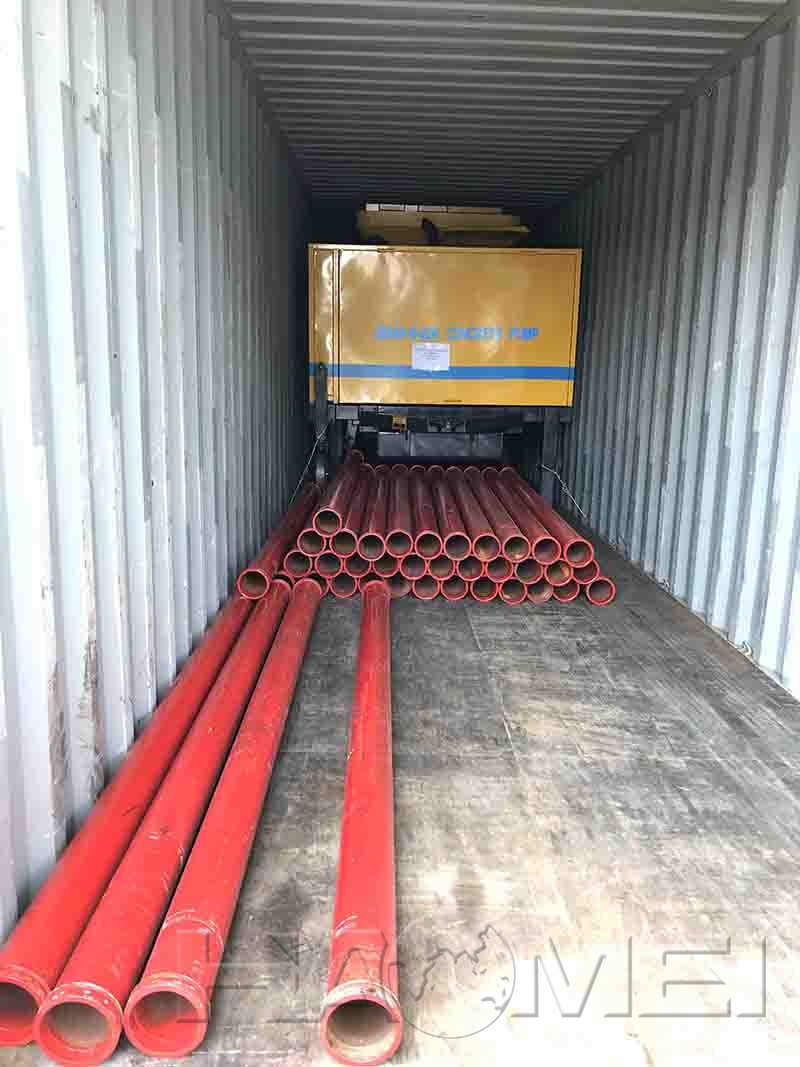
Field issues usually come from mix design mismatch, wear part deterioration, air entry, or hydraulic instability. The steps below focus on practical checks that should be verified by trained personnel following the manufacturer service instructions.
Problem: Line blockage or sudden pressure spike.
Problem: Low output, pulsation, or uneven flow.
Problem: Concrete backflow into hopper.
Problem: Overheating hydraulic oil.
Problem: Mixer not rotating or mixing weakly.
For projects that need a proven integrated solution, models such as the JBS40-10-82R Concrete Mixing Pump are often selected because the configuration aligns mixing stability with practical pumping capacity for everyday structural pours.
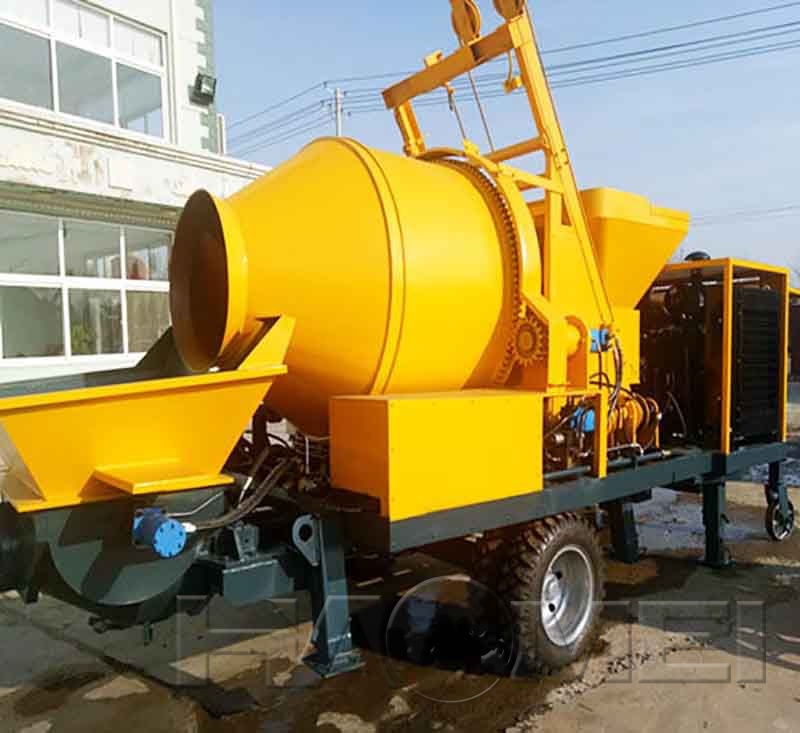
Operational uptime improves most when daily checks are standardized: confirm lubrication points, monitor hydraulic oil condition, keep the water box clean, inspect the grizzly and hopper for debris, and track wear part thickness on a fixed schedule. These habits protect the core components that determine output, pressure stability, and long term operating cost.
Original source: https://www.concretebatchplanthm.com/a/concrete-mixer-machine-with-pump.html
Tags: concrete mixing pump mixer pump machine
Prev: Mobile Concrete Batching Plant For Sale
Next: Modular Concrete Batching Plant for Quick Construction