CONTACT
1
Want to get quotation of concrete batching plant at once? Contact Us. Quick reply is as efficient as our equipment.
+86-15978414719

Aug 11, 2026
Recent discussions have focused on practical JS1500 concrete mixer concerns: real output, installation requirements, aggregate limits, batching plant matching, and operating cost. The questions below reflect recurring topics discussed during the last three months by contractors, plant operators, and project managers evaluating medium-to-large concrete production equipment.
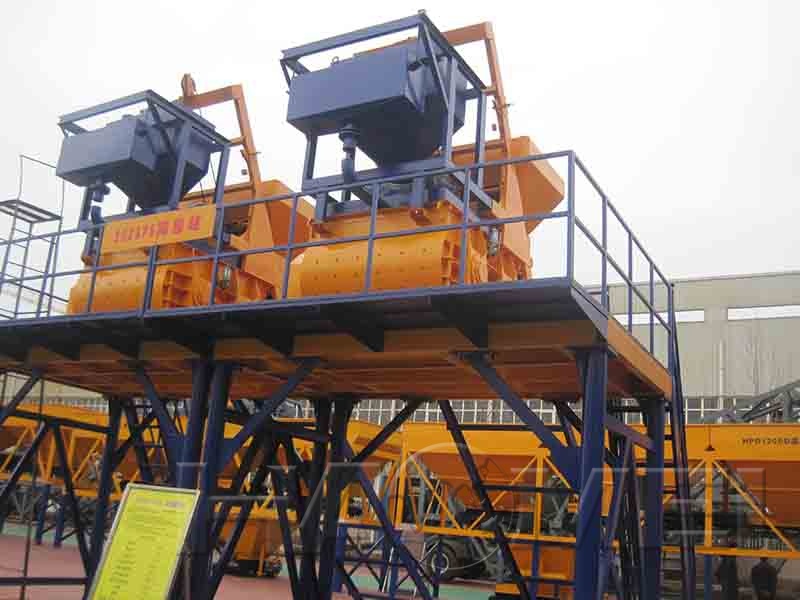
A JS1500 concrete mixer normally has a 1.5 m3 rated discharge capacity per batch. However, hourly output is not simply the batch volume multiplied by 60 minutes. Actual production depends on loading speed, aggregate moisture, mix design, discharge time, operator coordination, and whether the machine is connected to an automated batching system.
Under stable plant conditions, a JS1500 twin-shaft mixer commonly supports around 75-90 m3 of concrete per hour. This assumes a cycle time of roughly 60-90 seconds, including material charging, mixing, discharging, and gate closing. Projects using dry aggregate, consistent material feeding, and automatic weighing generally achieve a more stable output than sites relying on manual loading.
| Operating Condition | Typical Cycle Time | Approximate Hourly Output |
|---|---|---|
| Manual or semi-automatic feeding | 90-120 seconds | 45-60 m3/h |
| Standard automatic batching plant | 70-90 seconds | 60-75 m3/h |
| Optimized plant with fast material charging | 60-70 seconds | 75-90 m3/h |
A realistic production plan should leave room for truck positioning, concrete testing, occasional cleaning, and aggregate supply delays. Selecting a machine solely on theoretical output can create bottlenecks elsewhere in the plant.
Yes. The JS1500 is widely used as the mixing host in medium-capacity commercial concrete plants, precast component operations, road projects, bridge works, and ready-mix production stations. Its twin-shaft design provides strong mixing action, which is especially useful for stiff concrete, pumped concrete, fiber-reinforced mixes, and mixes containing fly ash or mineral additives.
A JS1500 model is commonly paired with an HZS75 or HZS90 batching plant configuration. The final plant specification should match the required hourly demand, available site space, aggregate storage arrangement, and the number of delivery trucks serving the project.
For projects that need this class of equipment, the JS1500 Twin Shaft Mixer is typically evaluated alongside the batching machine, aggregate bins, belt conveyor, cement silo, control system, and dust collection equipment. The mixer is only one part of the production chain, so plant compatibility matters as much as mixer capacity.
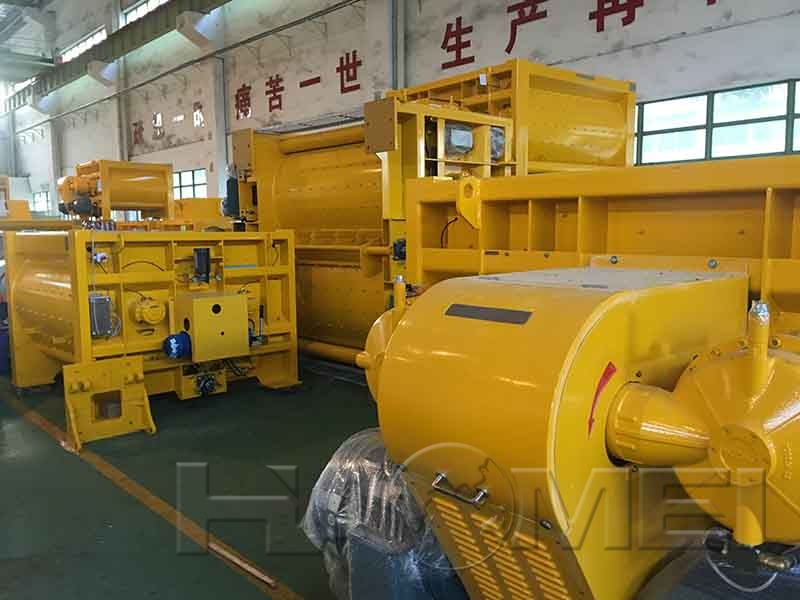
A JS1500 concrete mixer is designed for conventional concrete materials, including cement, sand, gravel, crushed stone, water, admixtures, fly ash, slag powder, and selected fibers. Most standard configurations are suitable for aggregate up to approximately 60 mm, although the recommended maximum size can vary by manufacturer, blade arrangement, and mix application.
The main issue is not only aggregate size. Poorly graded stone, excessive clay, wet sand, and oversized particles can increase wear on mixing arms, blades, liners, and discharge components. If a project uses large crushed stone or low-slump concrete, it is important to confirm the mixer shaft torque, gearbox capacity, and liner material before ordering.
| Material Factor | Why It Matters for JS1500 Operation |
|---|---|
| Aggregate moisture | Changes water demand and affects concrete slump |
| Maximum stone size | Influences blade wear and discharge performance |
| High powder content | May require longer mixing time |
| Fiber addition | Needs controlled feeding to prevent clumping |
| Recycled aggregate | Can increase abrasion and require stronger liners |
For normal commercial concrete, the JS1500 twin-shaft structure produces a uniform mix quickly because the two horizontal shafts create intersecting mixing paths. This is generally more effective for demanding mixes than a small drum-style unit. For lower-volume mobile work, a JZC/JZM Concrete Rotary Mixer may be more appropriate where output requirements are modest and plant automation is unnecessary.
The main mixing motor on a standard JS1500 concrete mixer is often around 2 x 30 kW, although exact motor specifications vary by factory and optional configuration. Additional power is required for the hydraulic discharge system, lubrication pump, water supply pump, air compressor, conveyor, batching machine, and control cabinet when the mixer is integrated into a complete plant.
Before installation, confirm the local electrical supply voltage, frequency, phase arrangement, cable size, and protection requirements. Many export machines can be supplied for 380 V, 400 V, 415 V, or other regional industrial standards. A mismatch between the machine motors and the site power supply can cause overheating, weak starting torque, or electrical control faults.
The foundation should also be considered early. A JS1500 is a heavy industrial mixer, and it needs a level reinforced concrete base with properly positioned anchor bolts. Vibration isolation, drainage, maintenance access, and safe access to the inspection hatch should be included in the site layout.
The most useful checks are related to wear parts, drive components, control quality, and after-sales support. A low initial quotation can become expensive if the machine uses thin liners, weak mixing arms, non-standard bearings, or difficult-to-source seals.
Ask the supplier to specify the following items in writing:
Mixing motor brand, power rating, and protection class.
Gearbox model and lubrication requirements.
Liner plate material, thickness, and expected service life.
Mixing blade material and replacement method.
Hydraulic discharge gate design and emergency opening arrangement.
Centralized lubrication system details.
Control cabinet components, PLC brand, and available language options.
Included spare parts for commissioning and early operation.
Factory testing process and loading arrangement.
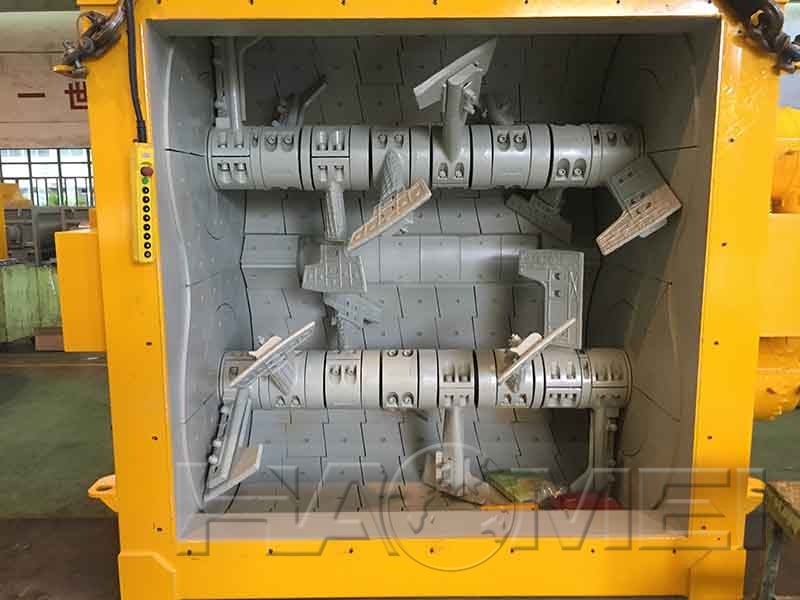
For high-abrasion production, inspect the liner layout carefully. Replaceable manganese-alloy or chromium-alloy liners can reduce downtime compared with welded wear surfaces. It is also worth checking whether mixing arms can be adjusted easily as blades wear, because correct blade clearance helps maintain mixing efficiency and limits material buildup inside the tank.
A well-configured JS1500 concrete mixer should provide consistent batch quality, manageable maintenance intervals, and enough output for a serious medium-capacity concrete operation. The most suitable configuration depends on the mix types, daily production schedule, local power conditions, and the level of automation planned for the site.
Original source: https://www.concretebatchplanthm.com/a/js1500-concrete-mixer.html
Tags: JS1500 Concrete Mixer JS1500 Twin Shaft Mixer concrete batching plant
Prev: What Are Popular Models of Small Concrete Batch Plants
Next: How Fast Can a Mobile Asphalt Plant Be Installed and Relocated