CONTACT
1
Want to get quotation of concrete batching plant at once? Contact Us. Quick reply is as efficient as our equipment.
+86-15978414719

Feb 27, 2026
A self-loading concrete mixer truck combines material loading, water dosing, mixing, and discharge in one mobile machine. For contractors working in areas with limited batching access, tight schedules, or high labor costs, this equipment can help keep pours continuous without relying on external loaders or ready-mix delivery windows.
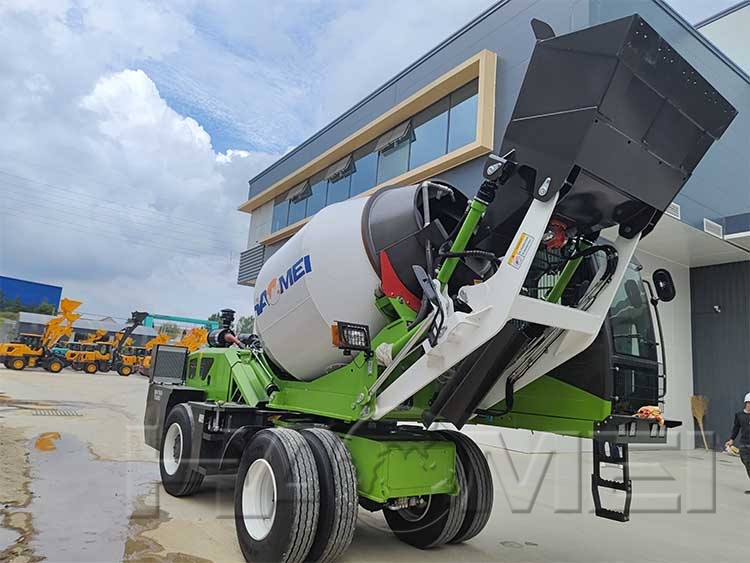
Unlike a standard transit mixer that mainly transports premixed concrete, this type is designed to produce concrete on site from cement, aggregates, and water. Most models use a front-mounted loading bucket to scoop aggregates, an onboard water tank with a metering system, and a rotating drum that mixes during travel and discharges at the point of placement. The result is a compact, jobsite-focused solution for slabs, small foundations, rural construction, utility work, and repair projects where flexibility matters.
The typical workflow is straightforward. The operator drives to the stockpile, loads aggregates with the bucket, adds cement (bagged or from a small silo setup), meters water, and mixes in the drum while moving to the pour location. Discharge is usually through a chute, with the drum reversing to control flow.
Where this machine stands out is independence. It reduces coordination with a wheel loader and minimizes downtime caused by waiting for ready-mix trucks. It is also useful when access roads, weight limits, or remote locations make regular supply difficult.
Common applications include:
Rural house construction and small commercial builds
Sidewalks, curbs, and municipal maintenance
Farm and industrial yard slabs
Tunnel, slope, and drainage works with scattered pour points
If you are also evaluating conventional transport solutions, a dedicated Concrete Mixer Truck may still be preferred for high-volume city pours supplied by a central batching plant.
Not all configurations deliver the same output. Focus on design details that affect cycle time, mix consistency, and operator control.
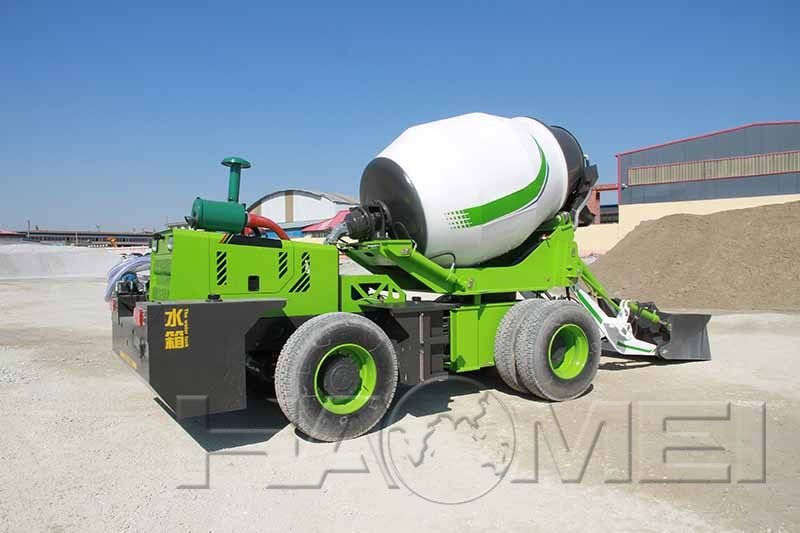
Key components to compare:
Loading bucket geometry and breakout force: A deeper bucket and strong hydraulics improve loading speed in coarse aggregates.
Water dosing system: Look for a metered system rather than manual filling, especially when mix repeatability is important.
Drum and blade design: Blade angle and wear-resistant liners support faster, more uniform mixing.
Transmission and driveline: Hydrostatic drive can improve low-speed control on uneven sites, while mechanical drive may offer simpler maintenance.
4x4 and steering modes: Articulated steering, crab steering, or tight turning radius help in confined sites.
Operator visibility and controls: Camera options, ergonomic joysticks, and clear gauges reduce operator fatigue.
Ask for verified performance ranges rather than marketing labels. The table below lists what procurement teams usually compare first.
| Parameter | What To Ask For | Why It Matters On Site |
|---|---|---|
| Batch output | m3 per batch and hourly productivity | Determines how many workers and placements you can support |
| Drum capacity | Total and effective mixing volume | Prevents overloading and poor mix quality |
| Water tank | Capacity and metering accuracy | Supports consistent slump across batches |
| Engine power | Rated power and emissions level | Affects hill climbing, loading speed, and compliance |
| Drive and steering | 4WD, steering modes, gradeability | Impacts mobility on mud, gravel, and slopes |
| Discharge height and chute reach | Standard and optional extensions | Reduces rehandling and improves placement flexibility |
| Service access | Grease points, filter access, parts commonality | Lowers downtime and maintenance cost |
For compact urban work or smaller pours, you may compare models like the hm3.5 self loading mixer truck when maneuverability is the priority.
Choosing the right unit depends on your job mix and support conditions. These checks help avoid under-sizing or paying for features you will not use.
Match output to placement methodIf your crew places with wheelbarrows or small pumps, a moderate hourly output may be optimal. Oversized output can increase waste if placement cannot keep up.
Consider material logistics, not just the mixerConfirm how aggregates and cement will be stored and kept dry. If you will use bagged cement, verify safe loading procedures and dust control. If using a mini silo, confirm compatibility with your site setup.
Verify mix quality controlsAsk how water is measured, whether there is a flow meter, and how the operator can repeat a proven recipe. Consistency matters for compressive strength and finishability.
Plan for wear and maintenanceBuckets, drum blades, and chutes are wear items. Request details on steel grade, liner options, and typical replacement intervals. Also confirm grease schedules and whether daily checks are realistic for your crew.
Evaluate operator requirementsMany jobsites benefit from a single skilled operator managing the full cycle. Confirm training availability and whether controls are intuitive for your labor pool.
Think about transport and permitsCheck operating weight, axle load, and dimensions against your local transport rules. For remote projects, consider how the machine will be delivered and serviced.
Demand is rising in regions where projects are dispersed and ready-mix supply is inconsistent. Contractors are also favoring machines that reduce labor dependency and improve schedule control. On the product side, expect continued upgrades in water metering, operator-assist visibility, and more efficient drivetrains aimed at lower fuel use per cubic meter.
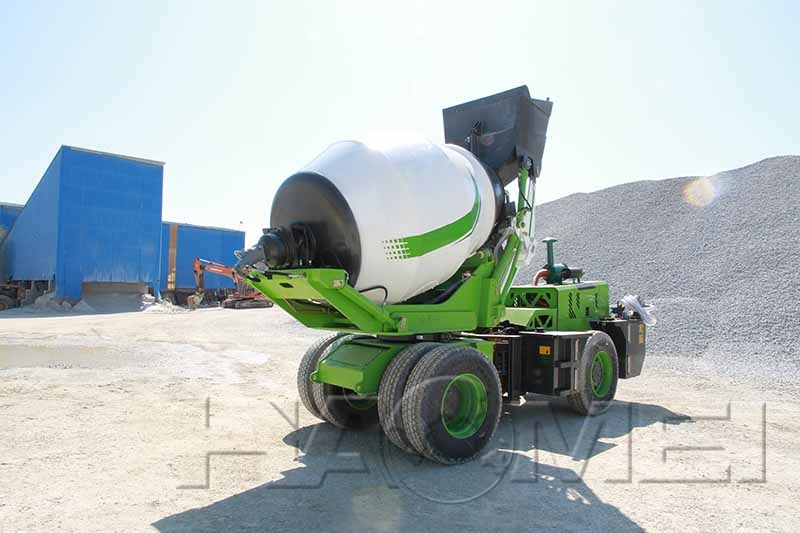
By focusing on measurable productivity, mix consistency, and serviceability, you can shortlist a configuration that fits your typical pour size and site conditions without overpaying for capacity you will rarely use.
Original source: https://www.concretebatchplanthm.com/a/self-loading-concrete-mixer-truck.html
Tags: self loading concrete mixer truck self loading mixer truck
Prev: Twin Shaft Mixer Design