CONTACT
1
Want to get quotation of concrete batching plant at once? Contact Us. Quick reply is as efficient as our equipment.
+86-15978414719

Mar 31, 2026
Choosing a Sicoma concrete mixer is usually not just about output. For most construction equipment purchasers, the real problem is matching production targets, concrete quality, installation conditions, and maintenance capability without overpaying.
A twin-shaft unit is often selected for commercial concrete plants, precast operations, and infrastructure work because it can produce uniform mixes quickly. However, the right configuration depends on hourly demand, aggregate size, power supply, automation level, and parts access.
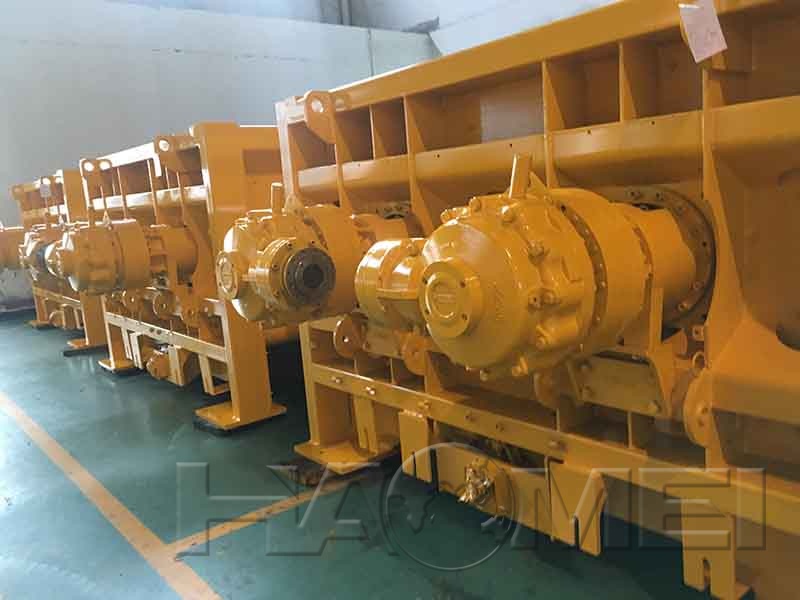
Start with four checks before comparing quotations.
Mixer model names are commonly associated with discharge volume per batch, but plant productivity depends on cycle time, material handling, moisture correction, and operator discipline.
Use this simple screening method.
| Question | What to verify | Why it matters |
|---|---|---|
| Required concrete output per hour | Average and peak m3 per hour | Prevents under-sizing |
| Mix type | Dry, plastic, SCC, precast, RCC | Affects mixing time and wear |
| Aggregate size | Maximum particle size from your design | Protects shafts, arms, and liners |
| Working schedule | Hours per day and shifts per year | Determines wear rate and maintenance budget |
| Site utilities | Voltage, transformer size, water pressure, air supply | Avoids installation delays |
As a rule, do not buy based only on brochure capacity. Ask for rated batch volume, discharged volume, mixing time range, motor power, and recommended aggregate size in the manufacturer technical sheet.
A twin-shaft machine is strong in high-output batching plants and demanding mixes. It is not always the lowest-cost option for every application.
| Mixer type | Best fit | Strength | Limitation |
|---|---|---|---|
| Twin-shaft | Ready-mix, precast, block, infrastructure | Fast cycle, strong homogeneity | Higher wear-part cost than drum mixers |
| Planetary | Precast, colored concrete, specialty products | Excellent mixing uniformity | Usually lower throughput at similar cost |
| Drum or rotary | Small jobs, low-volume projects | Simpler and lower initial cost | Less suitable for high-spec output |
If your work includes high consistency requirements, a Sicoma Twin Shaft Mixer is typically more suitable than a drum mixer. If your main business is decorative or precast products with specialty mixing needs, a Planetary Concrete Mixer for Sale may deserve comparison before purchase.
Many plants lose money not from downtime alone, but from slow liner and paddle replacement. Ask suppliers to specify the material and expected life of:
Request a recommended spare-parts package for the first 6 to 12 months. This is especially important for abrasive aggregates or long operating shifts.
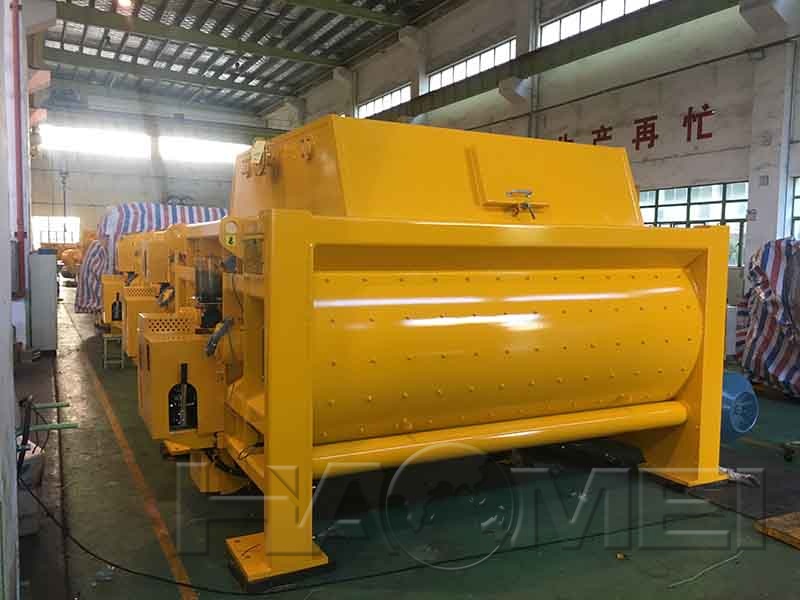
Price matters, but total ownership cost matters more. A lower initial offer may become more expensive if it includes basic electrical control only, limited wear parts, or long lead times for seals and blades.
Exact pricing varies by market, configuration, motor brand, gearbox brand, automation scope, liner material, and shipping route. Because equipment suppliers update quotations frequently, use current vendor quotes rather than old online price lists.
The items below usually change the final number the most.
| Cost factor | Typical impact on budget |
|---|---|
| Mixer size and discharge volume | Major |
| Motor and gearbox specification | Major |
| Standard vs high-wear liner package | Medium to major |
| Manual vs automatic lubrication | Medium |
| Electrical cabinet and control integration | Medium |
| Dust collection and moisture measurement integration | Medium |
| Freight, duty, and local installation | Major in export projects |
When requesting quotations, compare these line by line:
Use a practical payback review instead of focusing only on purchase price.
| ROI item | What to calculate |
|---|---|
| Output gain | Extra m3 per hour versus current mixer |
| Labor effect | Fewer operators or lower overtime |
| Concrete quality effect | Fewer rejected batches or strength variation |
| Maintenance effect | Expected annual wear and service cost |
| Energy effect | kW per hour and cycle efficiency |
| Downtime risk | Cost of lost production during failures |
A realistic investment review should include local power tariffs, cement cost, admixture cost, and the cost of non-compliant concrete.
For purchasers in Europe or projects following international procurement rules, ask the supplier to clarify machine conformity and electrical safety documentation. Requirements vary by country, but common verification points include:
Where occupational safety rules apply, align installation and operation with your local regulations for machinery guarding, electrical work, confined space access, and maintenance isolation. If the mixer is integrated into a batching plant, review the whole system, not only the main machine.
Most mixing problems come from poor feeding sequence, inaccurate moisture correction, late seal maintenance, or overfilling.
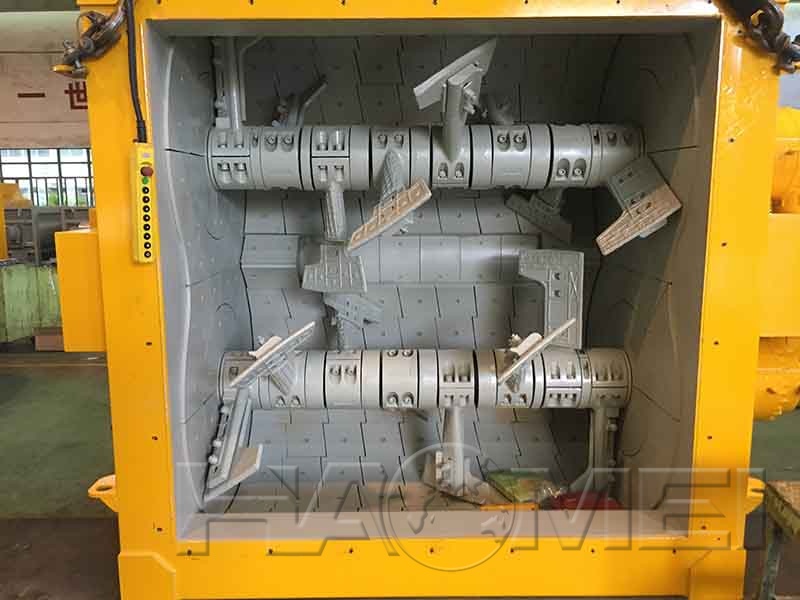
| Checkpoint | Good practice |
|---|---|
| Feeding order | Follow the supplier process for aggregate, cement, water, and admixtures |
| Batch size | Stay within rated capacity |
| Mixing time | Set by mix design and verified by trial batches |
| Discharge gate | Check full opening and sealing |
| Lubrication | Confirm automatic or manual schedule is completed |
| Cleaning | Remove buildup before it hardens |
| Safety | Lock out power before inspection or cleaning inside the chamber |
| Problem | Likely cause | Action |
|---|---|---|
| Uneven mix | Overfilled chamber or short mixing time | Reduce batch size, verify timer |
| High wear rate | Abrasive aggregate or delayed liner replacement | Upgrade wear package, inspect weekly |
| Leakage at shaft ends | Seal wear or lubrication failure | Replace seals, inspect grease system |
| Slow discharge | Material buildup or gate issue | Clean gate area, inspect actuator |
| Motor overload | Oversized aggregate, incorrect batch, hardened buildup | Stop, inspect, clean, correct feed |
For plants comparing alternatives, a broader Concrete Mixer category review helps identify whether high-throughput twin-shaft equipment is justified or whether another mixer type fits your production plan better.
The major trend is not only bigger output. It is smarter monitoring. Plant operators increasingly want mixers integrated with batching software, production logging, maintenance reminders, and remote diagnostics. This improves traceability and helps maintenance teams replace wear parts before failure.
When discussing new equipment, ask whether the mixer can support:
For most professional plants, the best purchase decision comes from matching the mixer to the mix design, expected annual production, wear environment, and service support network rather than choosing by nameplate capacity alone.
Original source: https://www.concretebatchplanthm.com/a/sicoma-concrete-mixer.html
Tags: Sicoma concrete mixer twin shaft concrete mixer
Prev: A Flexible Choice: Mobile Asphalt Batch Mix Plant
Next: 7 Questions You Must Answer Before Buying Concrete Batching Plant